
Quick answer: Bird watching in India offers remarkable diversity, from Himalayan foothills to wetlands and dense forests, with opportunities to observe resident and migratory species depending on the season. Popular destinations include Uttarakhand, Himachal Pradesh, and forested regions near Chandigarh. Early mornings between October and March generally offer the best conditions for sightings.
India rewards patience and curiosity. Few countries offer such a wide range of habitats within a single country, and this variety is precisely what makes bird watching in India so rewarding for wildlife enthusiasts, photographers, and casual nature lovers alike. From the snow-capped ridges of the Himalayas to lowland forests and wetland edges, each region hosts its own community of resident and migratory birds, shaped by altitude, season, and vegetation.
For travellers who have never tried birding before, India also happens to be an accessible entry point. You do not need specialized equipment or years of experience to start noticing the birdlife around you. A quiet morning on a forest trail, a pair of binoculars, and a willingness to pause is often all it takes to begin appreciating why bird watching in India has grown into such a popular pursuit among nature lovers and international tourists.
This guide walks through what makes India appealing for birding, where to go, what to expect by season, and how to plan a trip that fits your comfort level and interests — whether you are a first-timer or someone looking to deepen an existing passion for birdwatching holidays in India.
Why Is India Such a Rewarding Destination for Birdwatchers?
India’s geography is the main reason bird watching here feels so varied. The country stretches from the high-altitude Himalayas in the north to coastal wetlands in the south, passing through deserts, grasslands, and dense forest belts along the way. Each of these zones supports different bird communities, which means a trip focused on Himalayan species looks very different from one centered on wetland birding.
This range of habitats is also why bird watching in India attracts such a mixed audience. Wildlife photographers come for the light and the variety of subjects. Families often enjoy the slower pace of a guided nature walk. Adventure travellers appreciate that birding frequently pairs well with trekking or hiking itineraries, since many birding trails wind through the same forested or mountainous terrain used for longer hikes.
What Makes Bird Watching Appealing to Wildlife and Nature Lovers?
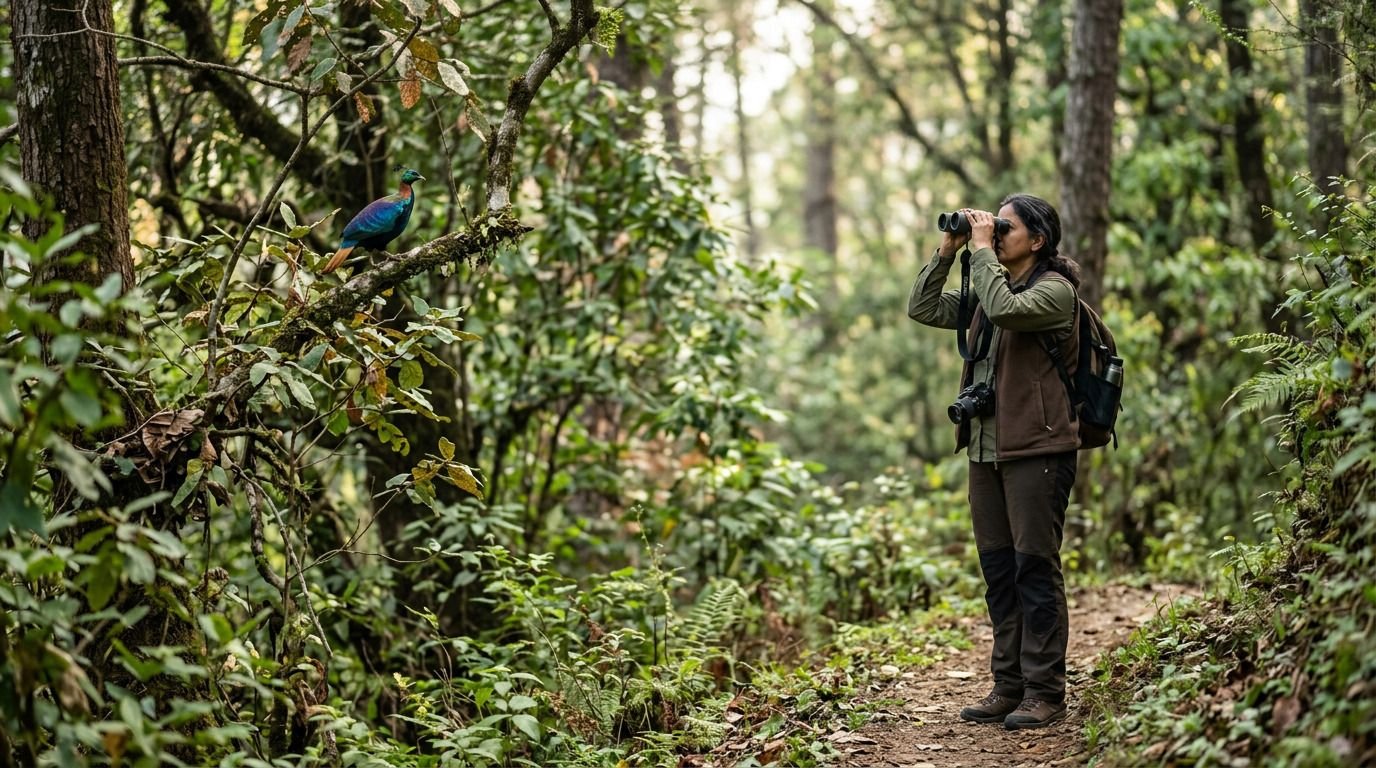
Birding offers something that fast-paced sightseeing often does not: a reason to slow down. Spotting a bird usually requires stillness, quiet observation, and attention to small details — the shape of a silhouette, a particular call, a flash of color in the canopy. For many travellers, this shift in pace becomes part of the appeal.
There is also a learning curve that keeps people coming back. Depending on the season and location, travellers may spot everything from raptors soaring over open valleys to smaller forest-dwelling species moving through the undergrowth. Each outing tends to reveal something new, which is part of why birdwatching destinations in India see repeat visitors year after year.
Which Landscapes in India Offer the Best Bird Watching Opportunities?
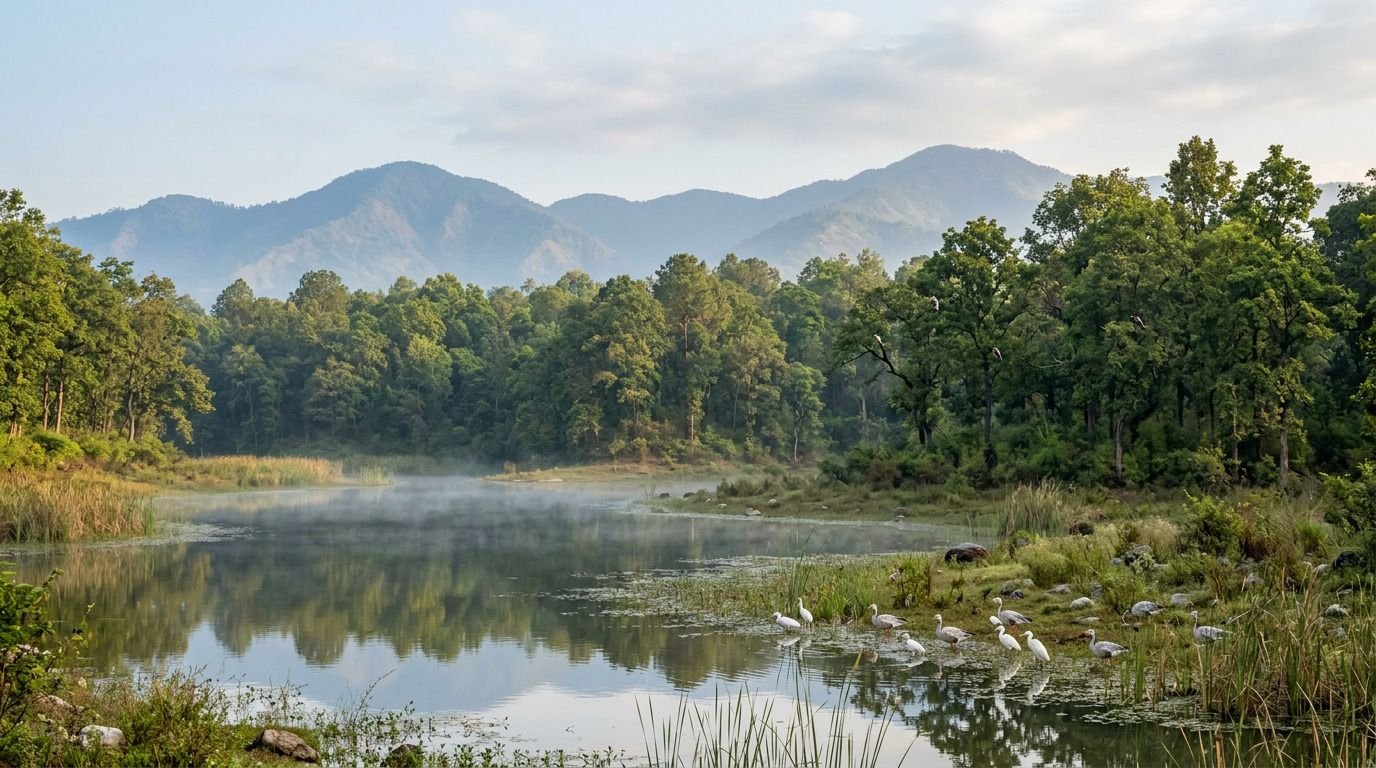
India’s birding landscapes generally fall into a few broad categories, each suited to different types of species and different traveller preferences.
Forested regions near hill stations and foothill towns tend to support a mix of resident birds, particularly during the cooler months. These areas are often easier to access for travellers based in northern India, making them a convenient starting point for a first birding trip.
Wetlands and water bodies attract migratory species, especially during winter, when birds travel south to escape colder climates further north. Areas near dams, lakes, or rivers often see increased activity during these months, as birds use these spaces for feeding and resting.
Himalayan foothills and mid-altitude zones offer a different experience altogether. The terrain here supports species adapted to cooler climates and forest cover, and the combination of elevation and vegetation creates microhabitats that can differ noticeably even within short distances.
Understanding these distinctions helps travellers choose a destination that matches their interests, whether that means chasing migratory flocks at a wetland or spending quiet mornings along a forest trail.
Where Are the Best Places for Bird Watching in India?
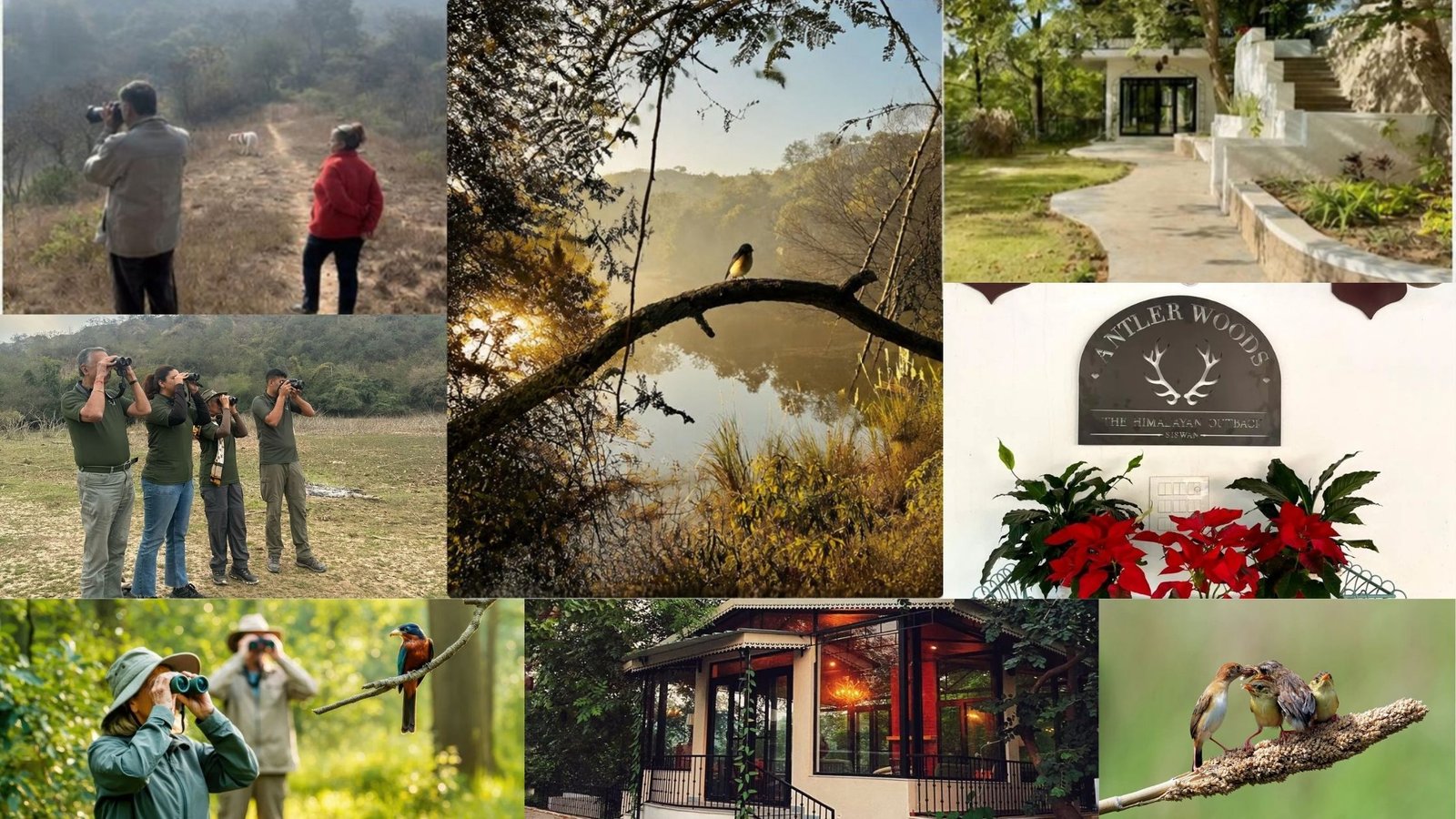
Some of the best places for bird watching in India combine accessible terrain with genuinely rich habitat. Northern India, in particular, offers a strong mix of forested retreats, foothill regions, and water bodies within relatively short travel distances from major cities like Chandigarh and Delhi.
Properties situated near forested areas or water sources tend to offer the most consistent birding opportunities, since these habitats naturally support a wider range of species. Travellers looking for bird watching tours in India often find that combining a forest stay with guided nature walks offers a more structured and rewarding introduction than attempting to bird independently without local knowledge.
What Should Travellers Know About Himalayan Bird Watching?
Himalayan bird watching holds particular appeal for travellers drawn to mountain landscapes. The varying elevation across the Himalayan belt creates distinct zones of vegetation, and this altitudinal variation is part of what makes the region so interesting for birders.
Lower elevations near the foothills tend to be more accessible for beginners, with gentler terrain and a milder climate for much of the year. Higher-altitude birding, by contrast, often requires more preparation, given the colder temperatures and more demanding trails. For travellers newer to birdwatching holidays in India, foothill regions offer a practical middle ground — enough elevation to feel immersed in mountain scenery, without the logistical demands of high-altitude trekking.
Which Birds Might Travellers Encounter in India?
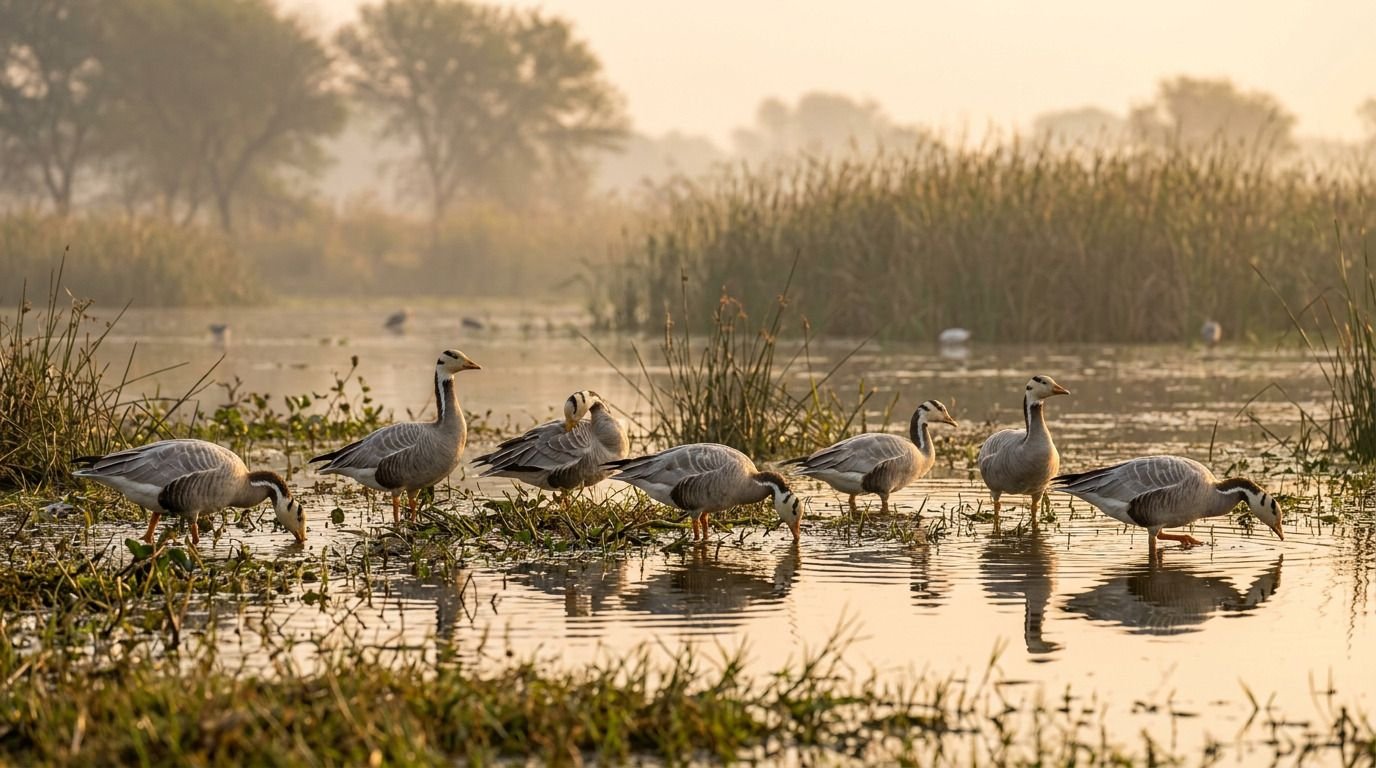
The species a traveller may spot depends heavily on habitat, season, and time of day. Forested regions commonly support a range of resident birds throughout the year, while wetland areas tend to see increased activity from migratory species during the winter months.
Early morning hours generally offer the most activity, as many birds feed shortly after sunrise before the day’s heat sets in. Observant travellers may also notice that certain species favor specific layers of the forest, with some staying closer to the canopy and others foraging nearer the ground. Rather than expecting guaranteed sightings of particular species, it helps to approach each outing with curiosity — sightings naturally vary depending on season, weather, and local conditions.
When Is the Best Season for Bird Watching in India?
Timing plays a significant role in birding success. The table below offers a general comparison of different bird-watching environments across India, based on habitat type, typical traveller profile, and ideal season.
Habitat Type |
Typical Experience |
Ideal Traveller |
Best Season |
|
Forested foothills |
Resident species, gentle trails, moderate activity | Beginners, families, first-time birders |
October to March |
|
Wetlands and water bodies |
Migratory species, higher seasonal activity | Photographers, dedicated birders |
November to February |
|
Himalayan mid-altitude zones |
Mountain-adapted species, scenic backdrops | Adventure travellers, trekkers |
March to June, October to November |
| Dense woodland near rivers or dams | Mixed resident and seasonal species | Nature lovers, casual observers |
Year-round, peak in winter |
Generally speaking, the cooler months between October and March tend to offer the most comfortable conditions and the highest likelihood of varied sightings, particularly in habitats that attract migratory birds.
What Should You Carry on a Bird-Watching Trip?
A successful birding outing does not require elaborate gear, but a few essentials make a noticeable difference. A good pair of binoculars is arguably the most important item, since many birds are easier to identify at a distance than up close. Neutral-colored clothing helps travellers blend into their surroundings and avoid startling wildlife.
Beyond that, a field guide or bird identification app, comfortable walking shoes, a reusable water bottle, and a light jacket for early morning outings are all worth packing. Sun protection is also useful, since many birding sessions take place during the brighter hours of mid-morning.
What Are Some Bird Photography Tips for Beginners?
Bird photography in India rewards patience more than expensive equipment. A telephoto lens helps, but understanding bird behavior often matters just as much as gear. Arriving early, staying still, and observing feeding or perching patterns before raising a camera tends to produce better results than moving quickly from spot to spot.
Soft, early-morning light generally produces more flattering images than the harsher light of midday, which is another reason dawn outings are popular among photographers. Beginners should also avoid using flash near wildlife, since sudden light can startle birds and disrupt natural behavior, reducing opportunities for a good shot.
How Can Travellers Practice Responsible and Ethical Bird Watching?
Ethical birding practices help protect the habitats that make bird watching in India possible in the first place. Maintaining a respectful distance from nesting sites, avoiding loud noises, and staying on marked trails all help minimize disturbance to wildlife.
Playback calls — recordings used to attract birds by mimicking their calls — should be used sparingly, if at all, since overuse can interfere with natural behavior and breeding patterns. Responsible travellers also avoid littering, stick to designated paths, and prioritize observation over disruption, ensuring that habitats remain healthy for future visitors and resident wildlife alike.
How Can Guided Experiences Improve a Birding Trip?
For many travellers, particularly beginners, a guided bird-watching experience significantly improves the overall trip. Local guides bring knowledge of seasonal patterns, specific trails, and species behavior that can be difficult to piece together independently. This local expertise often means the difference between a quiet, uneventful walk and a genuinely memorable outing.
Guided nature and wildlife tours in India also tend to be better structured for travellers with limited time, since an experienced guide can prioritize locations and timing based on current conditions rather than relying on guesswork.
How Can Beginners Plan Their First Bird-Watching Experience?

Planning a first birding trip is simpler than it might seem. Start by choosing a destination with accessible habitat and a reasonable travel distance, particularly if you are unsure how much time you want to dedicate to the activity. Forested regions near established nature retreats tend to work well for newcomers, since they often combine comfortable accommodation with nearby trails suited to birdwatching.
It also helps to choose a stay that offers some structure around the experience — accommodation close to habitat, local guidance, and flexibility around early morning outings. This is where combining lodging, nature experiences, and local knowledge in one place tends to make the planning process considerably smoother for first-time visitors.
The Himalayan Outback’s Antler Woods property, located near Siswan Dam on the outskirts of Chandigarh, reflects this kind of combined approach. Set within wildlife-rich woodland, the boutique retreat offers nature trails, birdwatching opportunities, and a peaceful forest setting suited to travellers who want a convenient, accessible introduction to birding without extensive travel logistics.
For travellers researching options before committing to a trip, it’s worth checking Antler Woods’s Google Business Profile, which includes traveller feedback, photos from past stays, and updates on current offerings. Browsing reviews and recent photos from fellow nature lovers can offer a useful, grounded sense of what to expect before booking a stay focused on bird watching in India.
Why Combining Accommodation and Local Guidance Makes a Trip More Convenient
Separately arranging transport, accommodation, and local birding knowledge can make trip planning unnecessarily complicated, particularly for travellers newer to the activity. Choosing a nature-focused stay that already incorporates trails, guidance, and proximity to habitat removes much of this friction.
This is part of why boutique nature retreats have become popular among travellers planning bird watching holidays in India. Rather than coordinating multiple logistics separately, guests can focus on the experience itself — early mornings on the trail, quiet observation, and the gradual process of learning to recognize calls and behaviors specific to the region.
Start Planning Your Bird Watching Trip in India
Bird watching in India rewards travellers willing to slow down and pay attention, offering a genuine window into the country’s ecological diversity. Whether your interest lies in Himalayan foothill species, wetland migratory birds, or simply spending quiet mornings surrounded by forest sounds, there is a suitable destination and season to match your goals.
If you are ready to plan a bird-watching or nature-focused trip in northern India, The Himalayan Outback can help you choose the right timing, destination, and guided experience for your interests. Reach out for a consultation to start planning a trip suited to your pace, experience level, and travel dates.
Frequently Asked Questions
What is the best time for bird watching in India?
Generally, the cooler months between October and March offer the best conditions, particularly for spotting migratory species near wetlands and water bodies. Resident forest birds can often be observed year-round, though activity tends to be higher during early mornings in cooler weather.
Which places are popular for bird watching in India?
Northern India offers several accessible options, including forested foothill regions, areas near dams and wetlands, and Himalayan mid-altitude zones. Locations near Chandigarh and the broader Himalayan foothills are popular among travellers seeking convenient access to rich habitat.
What should beginners carry for a bird-watching trip?
A pair of binoculars, neutral-colored clothing, comfortable walking shoes, and a field guide or identification app are all useful essentials. Sun protection and a light jacket for early mornings are also worth packing, depending on the season and destination.
Can I combine bird watching with a nature or wildlife holiday?
Yes, bird watching pairs naturally with broader nature and wildlife tours in India, particularly in forested or mountainous regions. Many travellers combine birding with hiking, nature walks, or a relaxed stay at a nature-focused retreat for a well-rounded experience.