Uttarakhand holds a special place in the hearts of Indian trekkers. Nestled in the lap of the Garhwal and Kumaon Himalayas, this northern state offers everything an adventure traveller could want: snow-capped peaks, flower-filled meadows, dense oak and rhododendron forests, and glacial lakes that mirror the sky. For anyone searching for trekking in Uttarakhand, the choices can feel overwhelming. However, a handful of routes stand out as must-visit trails for both beginners and seasoned mountaineers.
This guide covers seven of the most rewarding treks in Uttarakhand, each offering a distinct experience. Whether you’re drawn to gentle meadow walks or challenging high-altitude passes, trekking in Uttarakhand has something for every fitness level and travel style. We’ll walk through what makes each trail special, when to go, and how to prepare so your Himalayan adventure is both safe and memorable.
Why Is Uttarakhand a Favourite Destination for Himalayan Trekking?
Few regions in India pack as much natural variety into one state. Uttarakhand’s terrain ranges from low-altitude forest trails to high mountain passes above 12,000 feet, giving trekkers of every skill level a route to call their own. The state is also home to sacred rivers, ancient temples, and traditional mountain villages, adding cultural depth to the physical challenge.
Seasonal variation plays a big role in the appeal of trekking in Uttarakhand. Spring brings blooming rhododendrons, summer offers cool respite from the plains, autumn delivers crisp skies and clear mountain views, and winter transforms many trails into snow-trekking destinations. As a result, there’s rarely a bad time to visit; it simply depends on the kind of experience you’re after. For adventure travellers, couples planning a scenic escape, or groups of friends seeking a shared challenge, Uttarakhand consistently delivers.
7 Himalayan Treks in Uttarakhand Every Mountain Lover Should Know
Here are seven of the most popular and rewarding Himalayan treks in Uttarakhand. Note that trek duration, difficulty, and accessibility can vary depending on route conditions, weather, and the operator you choose, so always confirm current details before booking.
Kedarkantha Trek
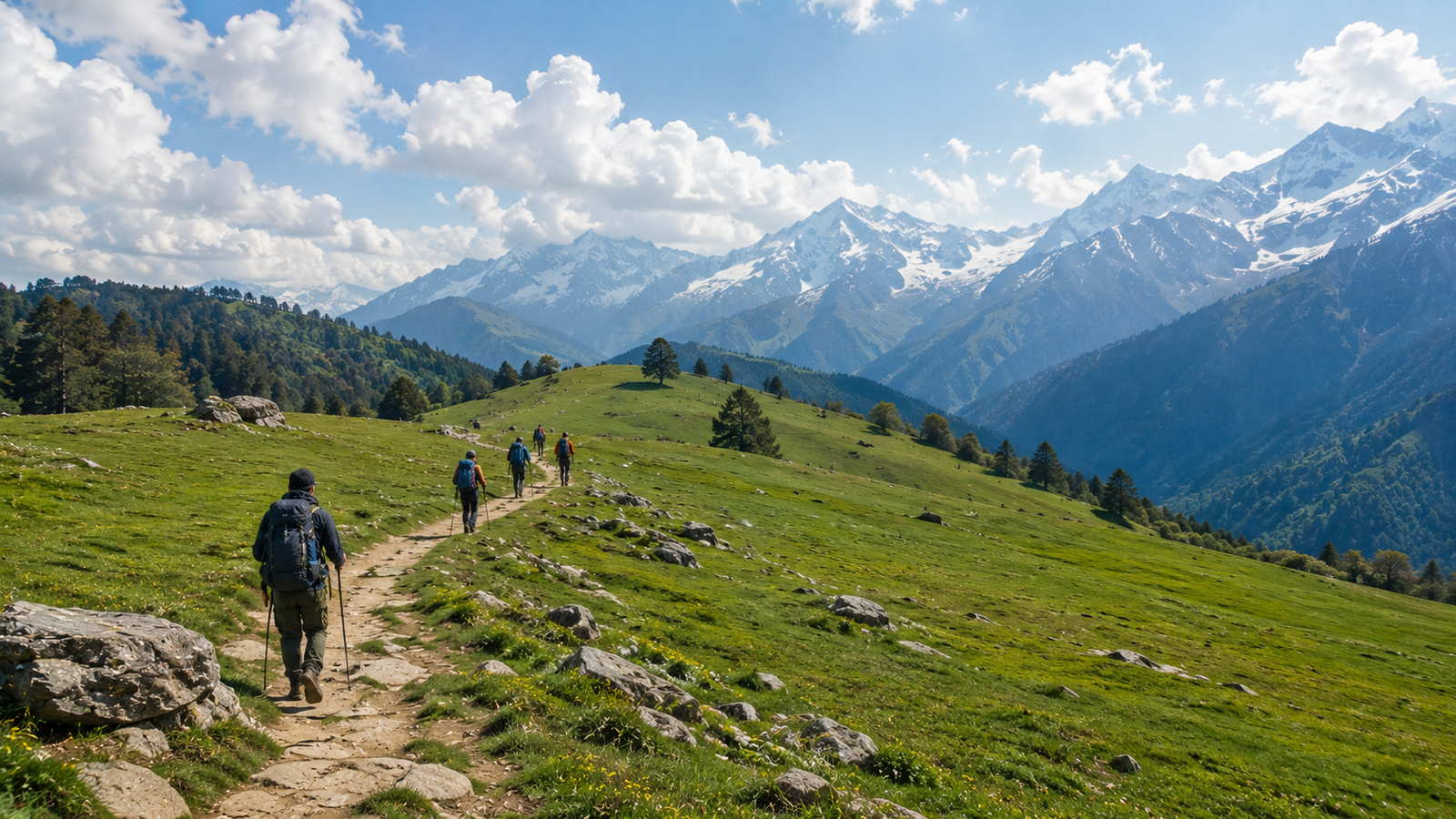
Located in the Govind Wildlife Sanctuary near Sankri village, Kedarkantha is often recommended as one of the best beginner-friendly treks in Uttarakhand. The trail winds through dense pine and oak forests before opening into wide snowfields, culminating in a summit that offers panoramic views of peaks like Swargarohini and Bandarpoonch. Most itineraries run for around 5 to 6 days. The difficulty level is generally considered easy to moderate, making it a popular winter trek for first-timers. The best season runs from December through April, when snow cover is at its most dramatic.
Valley of Flowers Trek
This UNESCO World Heritage Site in Chamoli district is famous for its carpet of alpine flowers that bloom across the valley floor each monsoon season. The trek typically takes 6 to 8 days, including the approach from Govindghat and a stay near Ghangaria. Difficulty is moderate, with well-defined trails suitable for reasonably fit beginners. The best time to visit is July through September, when the flowers are in full bloom, though monsoon rains mean trekkers should prepare for slippery and sometimes unpredictable conditions. Nature photographers, botany enthusiasts, and families looking for a less technical high-altitude experience often favour this route.
Har Ki Dun Trek
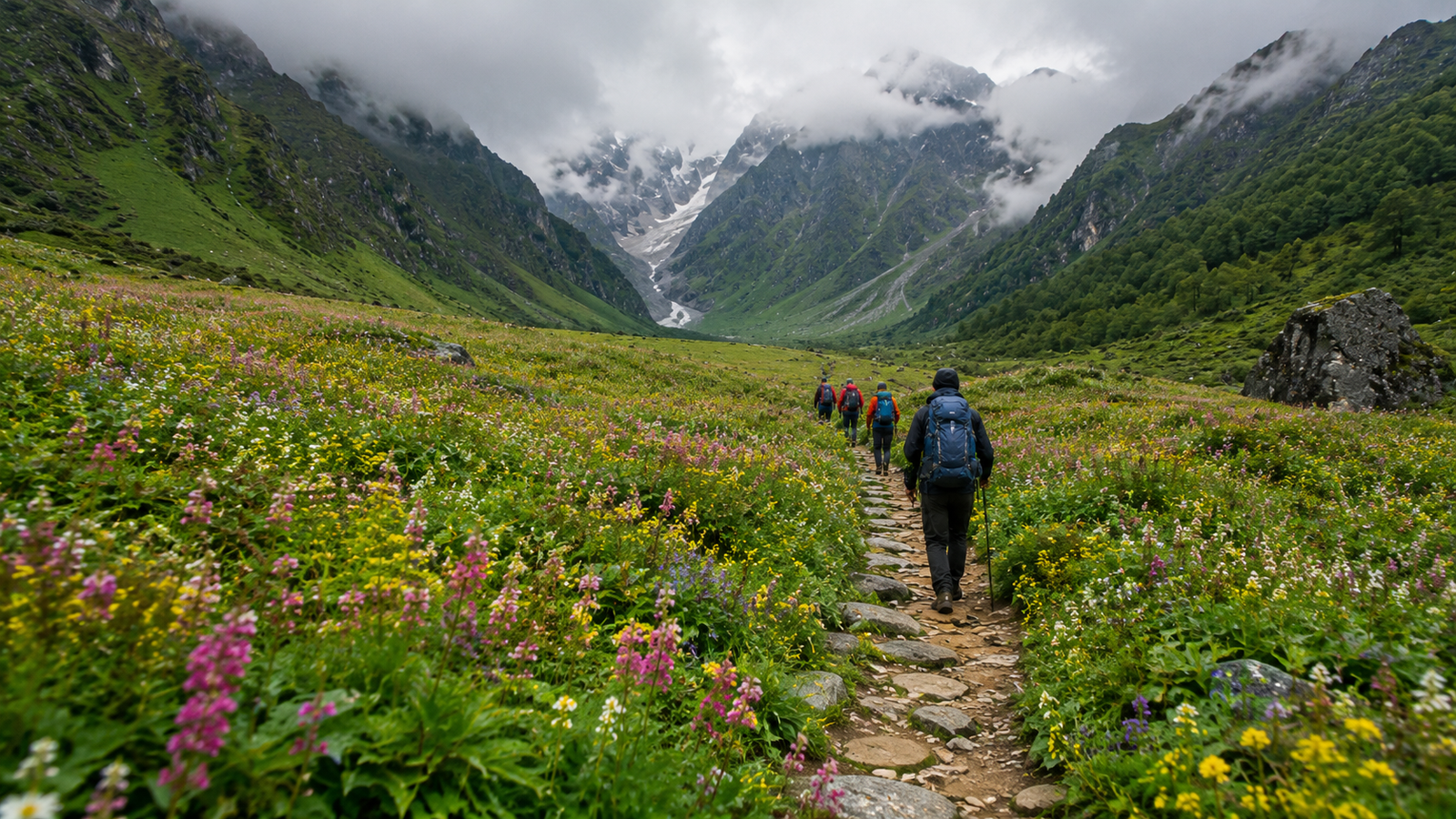
Har Ki Dun, meaning “valley of gods,” sits in a cradle-shaped valley near the Govind National Park. The trek usually spans 6 to 7 days and combines forest trails, suspension bridges, and views of the Swargarohini peaks. It’s rated easy to moderate, making it accessible to beginner and intermediate trekkers alike. The best season extends from March to June and again from September to December. Travellers interested in local Garhwali culture will appreciate the traditional villages along the route, which add historical texture to the natural scenery.
Kuari Pass Trek
Known for its sweeping views of Nanda Devi, Dronagiri, and other Himalayan giants, Kuari Pass is a favourite among trekkers who want high-altitude scenery without extreme technical difficulty. The trek generally takes 5 to 6 days and reaches altitudes above 12,000 feet, earning its place among the high-altitude trekking in Uttarakhand options. Difficulty is moderate. Winter (December to February) delivers a snow-laden route for experienced trekkers, while April to June offers a greener, more accessible version of the trail for intermediate hikers.
Dayara Bugyal Trek
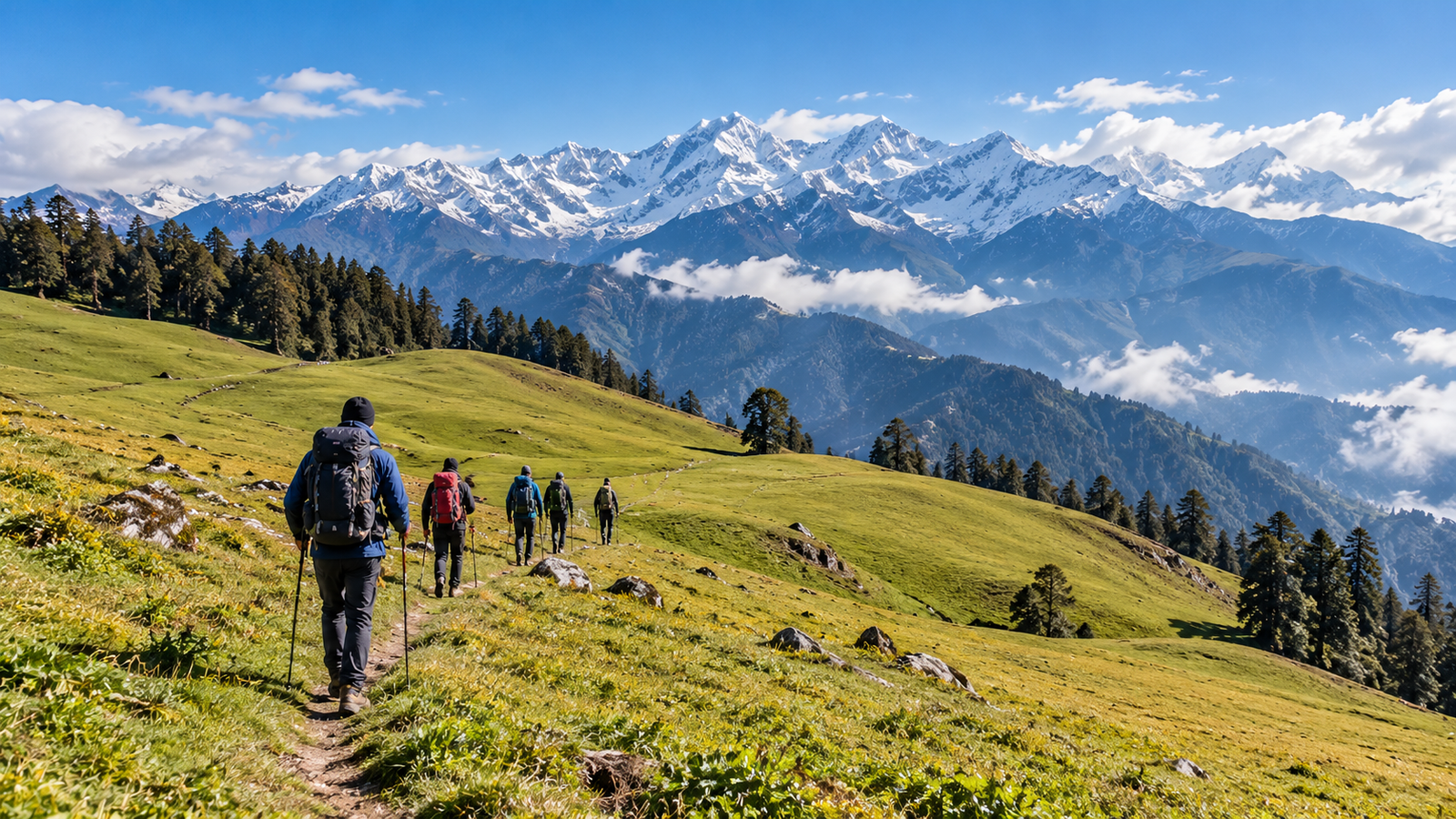
Dayara Bugyal is one of the most accessible alpine meadows in the region, making it ideal for beginners and families. Located near Uttarkashi, the trek typically takes 4 to 5 days round trip and is rated easy, with gentle gradients and short daily walking distances. The meadow itself stretches for several kilometres and offers unobstructed views of peaks like Bandarpoonch. Best visited from November to April for snow-trekking or April to June for a lush green landscape, Dayara Bugyal suits first-time trekkers, couples, and groups looking for a shorter Himalayan escape.
Nag Tibba Trek
Often called the “Serpent’s Peak,” Nag Tibba is one of the shortest and most beginner-friendly Himalayan treks in Uttarakhand, making it a popular weekend option for trekkers from Delhi and nearby cities. The trek can typically be completed in 2 days, with an easy difficulty rating suitable for those new to high-altitude walking. The summit rewards hikers with views of the Bandarpoonch and Gangotri ranges. This trail is accessible almost year-round, though winter (December to February) brings a snowy twist, and summer (March to June) offers a cooler alternative to the heat of the plains.
Brahmatal Trek
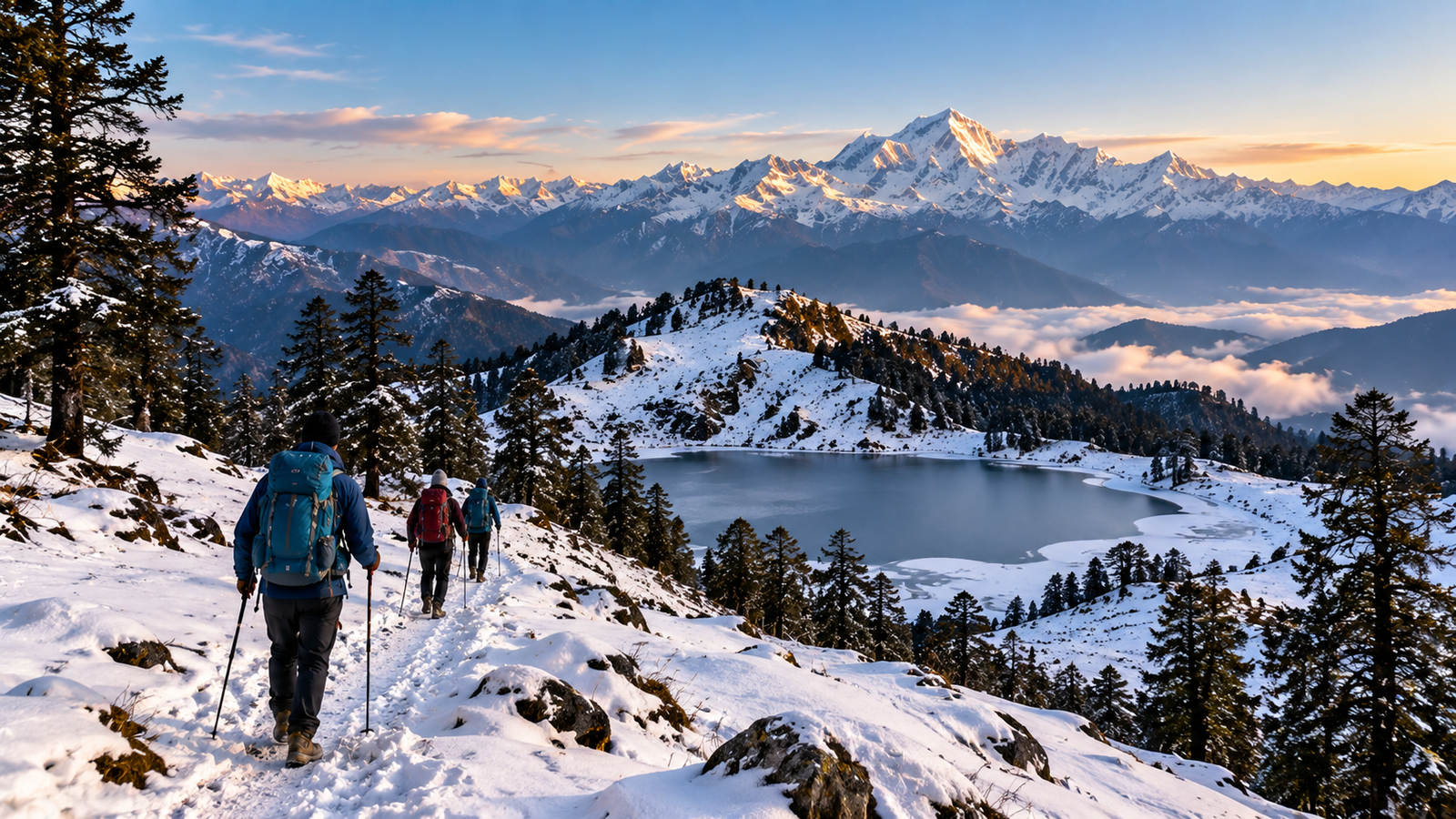
Brahmatal is prized for its frozen lake, dense forests, and unobstructed views of Mt. Trishul and Mt. Nanda Ghunti. Located in the Chamoli district, this trek generally takes 5 to 6 days and is rated moderate, making it suitable for trekkers with some prior hiking experience. The best season is December to March, when the Brahmatal lake freezes over and snow blankets the trail, creating one of the most photogenic winter landscapes in the region. Adventure travellers who enjoy snow trekking will find this route particularly satisfying.
Comparison Table of the 7 Best Treks in Uttarakhand
|
Trek Name |
General Difficulty | Approximate Duration | Best Season | Suitable For |
|
Kedarkantha Trek |
Easy to Moderate | 5–6 days | December–April | Beginners, winter trekkers |
| Valley of Flowers Trek | Moderate | 6–8 days | July–September |
Nature lovers, photographers |
|
Har Ki Dun Trek |
Easy to Moderate | 6–7 days | March–June, September–December | Beginners, culture enthusiasts |
| Kuari Pass Trek | Moderate | 5–6 days | December–February, April–June |
Intermediate and experienced trekkers |
|
Dayara Bugyal Trek |
Easy | 4–5 days | November–April, April–June |
Beginners, families, couples |
|
Nag Tibba Trek |
Easy | 2 days | Year-round (varies by season) | First-time trekkers, weekend travellers |
| Brahmatal Trek | Moderate | 5–6 days | December–March |
Adventure travellers, winter trekking fans |
Durations and conditions are approximate and can vary based on route access, weather, and operator itinerary.
What Is the Best Time for Trekking in Uttarakhand?
Choosing the right season is one of the most important decisions when planning trekking in Uttarakhand. Each season transforms the mountains in a different way, and understanding these shifts helps trekkers pick a route that matches their expectations.
Spring (March to May) brings melting snow, blooming rhododendrons, and moderate temperatures, making it ideal for mid-altitude treks like Har Ki Dun. Summer (June to early July) offers cooler weather compared to the plains, though some high-altitude passes may still have residual snow. Monsoon (July to September) is uniquely suited to the Valley of Flowers trek, though heavy rainfall elsewhere can make trails slippery and increase the risk of landslides, so route selection matters.
Autumn (September to November) is widely considered one of the best windows for trekking in Uttarakhand, with clear skies and stable weather supporting most mid- and high-altitude trails. Winter (December to February) transforms treks like Kedarkantha and Brahmatal into snow-trekking adventures, though it demands proper gear and experience with cold-weather conditions. As a result, trekkers should always check current weather advisories and trail access before setting out, since conditions can change quickly in the mountains.
How to Choose the Right Uttarakhand Trek
With so many options for trekking in Uttarakhand, selecting the right one comes down to a few practical factors. Beginners should prioritise treks rated easy to moderate, such as Nag Tibba or Dayara Bugyal, which involve shorter durations and gentler altitude gain. Experienced trekkers, on the other hand, might lean toward high-altitude trekking in Uttarakhand options like Kuari Pass or winter ascents of Brahmatal.
Available time is another key consideration. A weekend traveller might only have time for a 2-day Nag Tibba trek, while someone planning a longer Himalayan holiday could comfortably tackle the 6 to 8-day Valley of Flowers route. Altitude and weather sensitivity also matter: trekkers prone to altitude sickness should acclimatise gradually and avoid rushing high-altitude ascents. Finally, personal interest plays a role. Those drawn to flora and photography may prefer Valley of Flowers, while trekkers chasing snow and solitude might gravitate toward Brahmatal or winter Kedarkantha.
Essential Preparation Tips for a Himalayan Trek
Proper preparation can make the difference between an enjoyable trek and an exhausting one. Before heading out on any Uttarakhand trekking route, consider the following:
- Build your fitness gradually. Cardiovascular exercise and leg strength training in the weeks before your trek will help you handle sustained climbs.
- Invest in proper footwear. Waterproof, ankle-supporting trekking shoes with good grip reduce injury risk on uneven terrain.
- Pack layered clothing. Mountain weather changes quickly, so moisture-wicking base layers, insulating mid-layers, and a windproof outer shell are essential.
- Stay hydrated and carry basic first aid. Altitude and exertion increase dehydration risk, and a simple first aid kit covers common trail injuries.
- Check permits and local guidance. Some routes require forest permits or local guides, particularly in protected areas like Govind Wildlife Sanctuary.
- Monitor weather forecasts. Conditions in the Himalayas can shift rapidly, so check updates close to your departure date and remain flexible.
Following these steps helps trekkers of all experience levels approach their journey safely and with greater confidence.
Trek Responsibly and Protect the Himalayas
As more travellers discover the beauty of trekking in Uttarakhand, responsible practices become increasingly important for preserving these landscapes. Trekkers should carry out all waste, including biodegradable items, since high-altitude ecosystems break down litter very slowly. Staying on marked trails helps prevent soil erosion and protects fragile alpine vegetation, particularly in sensitive zones like the Valley of Flowers.
Respecting local communities also matters. Many trekking routes pass through traditional Garhwali and Kumaoni villages, and travellers should be mindful of local customs and avoid disrupting daily life. Additionally, observing wildlife from a distance and avoiding loud noises helps protect the region’s diverse fauna, including species found within protected sanctuaries. Small, consistent efforts from every trekker add up to meaningful conservation over time.
Plan Your Himalayan Adventure with The Himalayan Outback
Planning the right trek involves balancing fitness, season, and personal interest, and having a knowledgeable resource can simplify that process considerably. The Himalayan Outback offers information for travellers exploring trekking in Uttarakhand, helping visitors understand route options and plan their Himalayan journey with greater clarity. For details on specific trails and seasonal considerations, visit the Uttarakhand trekking page to explore what might suit your next adventure.
Whether you’re drawn to the snowy slopes of Kedarkantha or the floral meadows of the Valley of Flowers, taking time to research your options pays off once you’re on the trail.
Start Planning Your Uttarakhand Trek Today
From the beginner-friendly slopes of Nag Tibba to the high-altitude challenge of Kuari Pass, Uttarakhand offers a trekking route for nearly every type of adventurer. The key to a rewarding experience lies in matching your fitness level, available time, and seasonal preferences to the right trail. With careful planning, proper gear, and respect for the mountain environment, trekking in Uttarakhand can become one of the most memorable experiences of your travel life.
If you’re ready to explore your options, reach out to The Himalayan Outback to discuss your trekking interests, preferred season, and experience level. Visit the Uttarakhand trekking page to enquire about suitable routes and start planning your Himalayan journey today.
Frequently Asked Questions
Which are the best Himalayan treks in Uttarakhand?
Some of the most popular options include Kedarkantha, Valley of Flowers, Har Ki Dun, Kuari Pass, Dayara Bugyal, Nag Tibba, and Brahmatal. Each offers a different difficulty level, duration, and seasonal experience, so the “best” choice depends on your fitness and travel preferences.
What is the best time for trekking in Uttarakhand?
It depends on the trail. Winter (December to February) suits snow treks like Kedarkantha and Brahmatal, monsoon (July to September) is ideal for the Valley of Flowers, and autumn (September to November) generally offers the most stable weather across most routes.
Which Uttarakhand trek is suitable for beginners?
Nag Tibba, Dayara Bugyal, and Kedarkantha are commonly recommended for beginners due to their shorter durations and easier difficulty ratings. These treks offer a manageable introduction to Himalayan trekking.
How should I prepare for a Himalayan trek in Uttarakhand?
Build cardiovascular fitness beforehand, invest in proper trekking shoes and layered clothing, stay hydrated, carry basic first aid supplies, and check weather and permit requirements before you set out.