Quick answer: Winter is the best season for bird watching in India because migratory species travel from Siberia, Central Asia, and Europe to escape the cold, filling wetlands, forests, and Himalayan foothills with activity. Top destinations include Bharatpur, Chilika Lake, Rann of Kutch, and the Himalayan regions near Chandigarh, where properties like Antler Woods by The Himalayan OutBack offer a peaceful base for birdwatchers.
Every winter, something remarkable happens across India’s skies. Thousands of birds arrive from distant, colder lands, turning quiet wetlands and forest edges into bustling hubs of color and sound. For anyone passionate about nature, bird watching in India during these months offers an experience unlike any other time of year.
This isn’t a niche hobby anymore. Families, solo travelers, couples, and dedicated photographers are increasingly choosing winter getaways built around birding. The appeal is simple: cooler weather, clearer skies, and an extraordinary variety of species that simply aren’t present during the rest of the year.
In this guide, we’ll explore why winter transforms India into a birdwatcher’s paradise, where to go, what to look for, and how to prepare for a trip that balances adventure with comfort. We’ll also look at how a thoughtfully chosen stay, such as a boutique bed and breakfast near the Himalayan foothills, can elevate the entire experience.
Why Winter Is the Best Season for Birdwatching in India
Winter brings a unique combination of weather conditions that make bird watching in India far more rewarding than other seasons. Cooler temperatures mean birds are more active during daylight hours, rather than hiding from intense heat. Visibility also improves significantly, since the monsoon haze clears and skies stay crisp.
Most importantly, winter coincides with one of the largest bird migrations on the planet. Species that breed in Siberia, Central Asia, and parts of Europe travel thousands of kilometers to escape freezing conditions, arriving in India’s wetlands, lakes, and grasslands between October and March.
As a result, birdwatchers get to observe species they simply cannot see at any other time. Combine that with pleasant travel weather, and it’s easy to see why winter birding holidays have grown so popular across the country.
How Winter Migration Brings Different Bird Species to India
Migratory birds follow established flyways, and India sits along the Central Asian Flyway, one of the most significant migratory routes in the world. This explains why winter bird migration here is so diverse and predictable.
Birds such as the Bar-headed Goose, Siberian Crane relatives, and various species of ducks and waders travel south as their breeding grounds freeze over. They settle into India’s lakes, rivers, and wetlands, where food remains abundant throughout the colder months.
Therefore, visiting during winter gives travelers a rare opportunity to witness a true ecological spectacle. Many of these species will return north by early spring, making the winter window essential for anyone serious about birdwatching tours in India.
Best Places to Experience Winter Birdwatching in India
India offers no shortage of excellent birding destinations, each with its own character and species mix. Some are famous wetlands, while others are quieter, lesser-known retreats tucked into forested landscapes.
Below is a quick comparison of some of the best places for birdwatching in India during winter:
|
Birdwatching Destination |
Best Season | Birdwatching Experience |
|
Bharatpur, Rajasthan |
Winter | Migratory waterbirds, including herons, storks, and ducks |
| Chilika Lake, Odisha | Winter |
Large congregations of migratory waterbirds and flamingos |
|
Rann of Kutch, Gujarat |
Winter |
Wetland and desert birds, including flamingos and cranes |
| Himalayan regions | Winter and other suitable seasons |
Resident and seasonal mountain birds, forest species |
Each of these winter birdwatching destinations in India offers something distinct. However, travelers looking for a quieter, more immersive experience often find the Himalayan foothills especially rewarding.
Popular Migratory and Resident Birds to Look For
Winter birding rewards patience with variety. Visitors can expect to see colorful kingfishers, elegant herons, and a wide range of ducks floating across calm waters. Birds of prey, including kestrels and harriers, are also commonly spotted hunting over open fields.
In forested and hilly regions, resident species add to the excitement. Woodpeckers, barbets, sunbirds, and various thrushes remain active throughout winter, offering consistent sightings even away from major wetlands.
Besides that, early morning hours tend to produce the most activity. Birds feed actively at dawn, making this the ideal time for both observation and photography.
Why Himalayan Regions Offer Unique Birdwatching Experiences
While wetlands attract the headlines, Himalayan birdwatching deserves equal attention. The foothill forests near Chandigarh and surrounding areas host a mix of resident species and seasonal visitors, all set against a backdrop of pine-covered hills and clean mountain air.
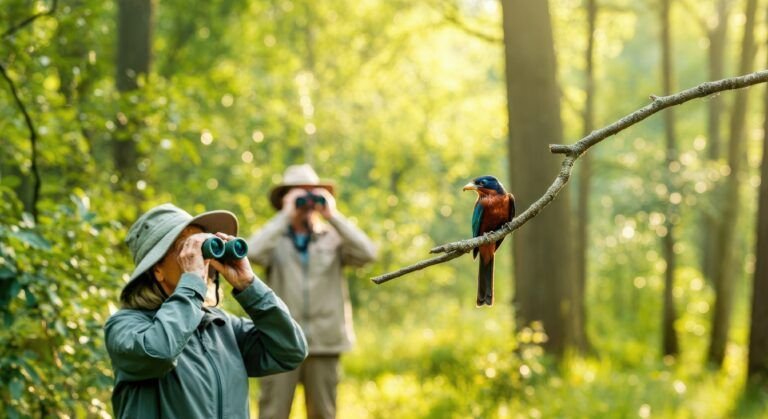
Unlike crowded wetland sanctuaries, these forested retreats often provide a calmer, more personal birding experience. Guests can walk quiet trails at their own pace, listening for calls before spotting movement in the canopy.
This is where bird watching in India takes on a different rhythm. Instead of large crowds gathered around a famous lake, visitors here enjoy intimate encounters with nature, often just steps from where they’re staying.
How to Prepare for a Winter Birdwatching Trip
Preparation makes a significant difference to how enjoyable a birding trip turns out to be. Dress in layers, since early mornings can be cold while afternoons warm up considerably. Earth-toned clothing helps you blend into the surroundings without startling birds.
In addition, comfortable walking shoes are essential, as most birding happens on foot along trails or wetland edges. A light backpack carrying water, snacks, and a field guide rounds out the basics.
Timing matters too. Early morning and late afternoon offer the best light and the highest bird activity, so plan your schedule around these windows rather than the middle of the day.
Essential Equipment for Birdwatching and Photography
A good pair of binoculars is the single most important tool for any birder. Look for models with at least 8x magnification, which offer a strong balance between image stability and detail. For bird photography in India, a telephoto lens of 300mm or longer helps capture distant subjects without disturbing them.
A compact field guide, whether in print or app form, helps with quick identification. Many birders also carry a lightweight notebook to record sightings, locations, and behavior, building a useful record over multiple trips.
As a result, even beginners can start identifying species confidently within a day or two, especially with guidance from experienced local birders.
Responsible Birdwatching Practices
Respecting wildlife and habitats ensures these experiences remain available for future travelers. Always maintain a safe distance from birds, especially during nesting season, and avoid loud noises that might startle them.
Stick to marked trails wherever possible to minimize disturbance to fragile habitats. Avoid using flash photography near birds, as it can cause unnecessary stress.
However, perhaps the most important practice is simply staying patient. Rushing from spot to spot rarely produces good sightings. Slowing down, observing quietly, and letting birds come into view naturally leads to far more rewarding encounters.
How a Boutique B&B Stay Enhances Your Nature Holiday
A winter birding trip isn’t only about what happens during the day. Where you stay shapes the entire experience. A boutique bed and breakfast set within a wildlife-rich landscape allows guests to wake up to birdsong rather than city noise, extending the sense of calm well beyond scheduled walks.
Antler Woods, a boutique B&B near Siswan Dam on the outskirts of Chandigarh, offers exactly this kind of setting. Surrounded by forest, the property allows guests to step outside and begin birdwatching before breakfast, without any travel required. Learn more about this boutique B&B experience and how it complements a winter nature holiday.
Personalized hospitality, home-cooked meals, and peaceful surroundings make a meaningful difference after a day spent outdoors. Rather than returning to a generic hotel room, guests unwind in a setting that feels like an extension of the forest itself.
Why Choose Antler Woods for Your Stay
The Himalayan OutBack, the brand behind Antler Woods, focuses on creating genuine nature experiences rather than standard tourist stays. Their boutique B&B is designed for travelers who want their accommodation to feel connected to the landscape, not separate from it.
Guests can enjoy nature trails, birdwatching opportunities, and the tranquility of a forest setting, all within easy reach of Chandigarh. For anyone planning a trip centered on bird watching in India, choosing a stay that supports rather than interrupts the experience makes a real difference.
Explore the Antler Woods boutique B&B to see how comfortable accommodation and immersive nature experiences come together in one peaceful location.
Frequently Asked Questions
When is the best time for bird watching in India?
Winter, roughly from October through March, is the best time for bird watching in India, as migratory species arrive from colder regions and settle into wetlands, forests, and grasslands across the country.
Do I need prior birding experience to enjoy a winter birdwatching trip?
No. Beginners can easily enjoy bird watching in India with a basic pair of binoculars and a field guide. Local guides and quiet forest trails make it simple to start identifying species, even on a first trip.
What should I pack for a winter birdwatching holiday?
Pack layered, earth-toned clothing, comfortable walking shoes, binoculars, a field guide, and a camera with a telephoto lens if photography interests you. Early mornings tend to be cold, so warm layers are essential.
Is a boutique B&B a good base for birdwatching in the Himalayan foothills?
Yes. A boutique B&B set within a forested landscape, such as Antler Woods near Chandigarh, allows guests to begin birdwatching directly from the property, combining comfortable accommodation with immediate access to nature.
Plan Your Winter Birdwatching Getaway Today
Winter transforms India’s landscapes into a living theater of color, sound, and movement. From the wetlands of Rajasthan to the quiet forest trails of the Himalayan foothills, bird watching in India during these months offers something genuinely special for nature lovers, photographers, and curious travelers alike.
If you’re planning this kind of trip, where you stay matters just as much as where you explore. Consider basing your journey at Antler Woods, The Himalayan OutBack’s boutique bed and breakfast near Siswan Dam, where forest trails and birdsong begin right outside your door.
Reach out to The Himalayan OutBack today to plan your winter nature getaway, and visit their boutique B&B page to learn more about staying amid the birds and the forest this season.