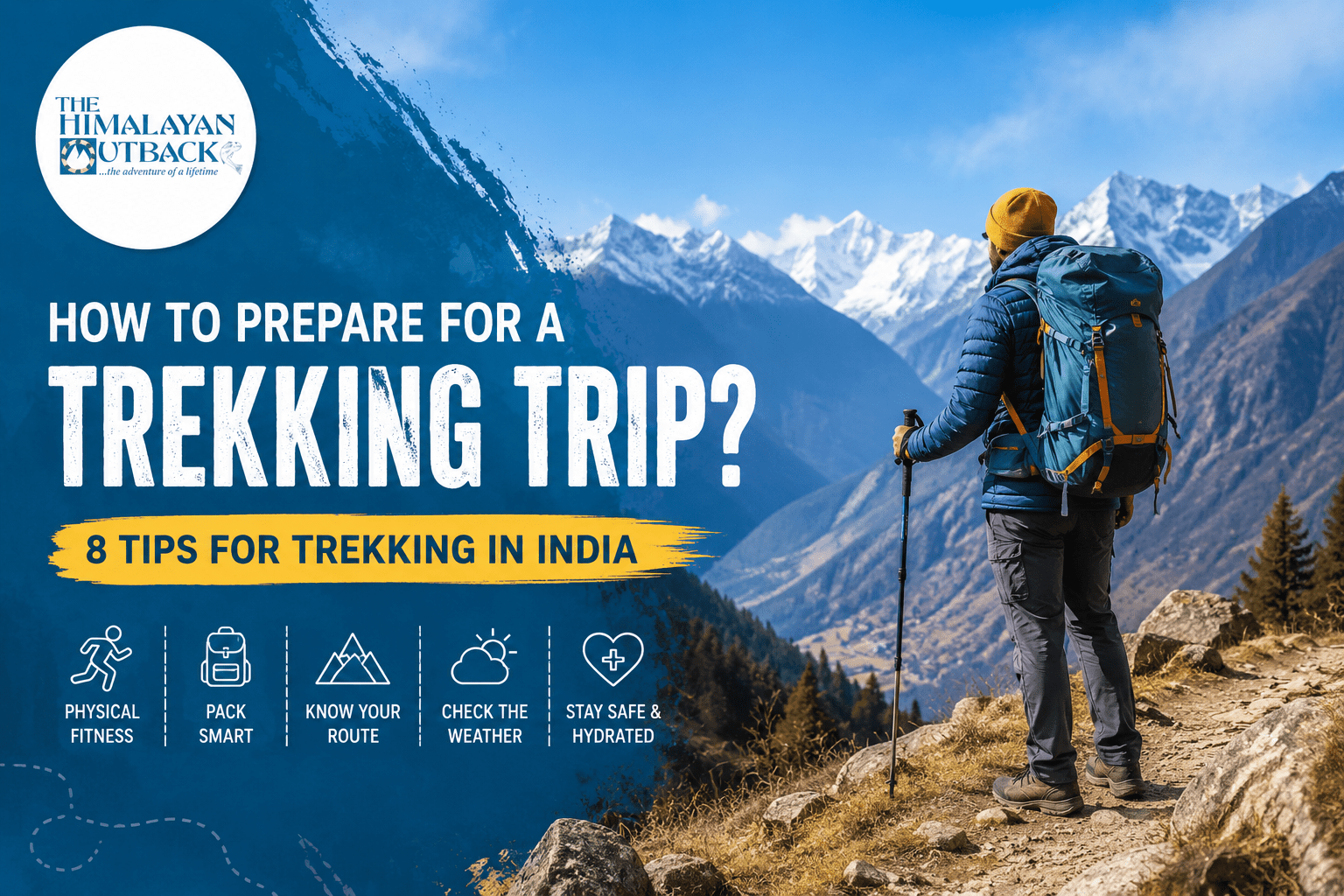
Preparing for a trekking trip requires a mix of physical training, packing the right gear, and mental readiness. You must build cardiovascular endurance, pack essential high-altitude layers, understand altitude sickness prevention, and stay hydrated. Proper preparation ensures your safety and enjoyment during challenging mountain treks.
Trekking in the Himalayas is a truly life-changing experience. The towering snow-capped peaks, serene valleys, and ancient trails offer an adventure unlike any other. However, stepping into this rugged wilderness requires proper preparation. Without the right planning, you risk severe fatigue, altitude sickness, and serious injuries that can ruin your journey.
If you are planning to experience trekking in India, you must prepare your body and mind. The altitude and unpredictable weather demand respect. This comprehensive trekking preparation guide will help you get ready for the trails. We will cover everything from physical fitness to mountain trekking safety.
Whether you are a beginner or a seasoned adventurer, these strategies will keep you safe. Let us explore exactly how you can prepare for an unforgettable mountain journey.
Why Preparation is Crucial Before You Start Trekking in India
Trekking in India is not a casual walk in the park. The high-altitude environments of Uttarakhand, Himachal Pradesh, Kashmir, and Ladakh test your limits. Preparation is the only barrier between a successful summit and an emergency rescue.
When you prepare adequately, you reduce the risk of altitude sickness and physical exhaustion. A well-prepared trekker enjoys the journey, takes in the breathtaking views, and completes the trek safely. Conversely, lack of preparation leads to common mistakes first-time trekkers make. These mistakes include carrying a heavy backpack, ignoring hydration, and wearing the wrong footwear.
Proper planning ensures you carry the right trekking gear checklist India demands. It also prepares your mind for the isolation and physical strain of Himalayan trails. By focusing on your fitness for trekking, you guarantee a safe and enjoyable adventure.
8 Essential Tips Before You Start Trekking in India
Trekking requires a systematic approach. You need to focus on your physical strength, gear, and safety protocols. Here are eight practical tips to help you master your adventure trekking in India.
-
How to Prepare Your Body for High Altitude Treks
Physical fitness is the foundation of any successful trek. High altitude trekking India pushes your cardiovascular system to its absolute limits. You must start training at least two to three months before your trip.
Focus heavily on cardiovascular endurance. Running, cycling, and swimming will build your lung capacity effectively. Additionally, you should incorporate strength training to build your leg muscles and core. Squats, lunges, and step-ups are excellent exercises.
Do not forget to practice walking with a loaded backpack. This trekking training guide step simulates the actual trail conditions. Strong muscles and healthy lungs will help you conquer the steepest Indian Himalayan trails.
-
What Every Trekker Must Pack Before the Journey
Packing light but packing right is a crucial skill. A heavy backpack will drain your energy quickly. Therefore, you must follow a strict trekking packing list tailored for the mountains.
Your trekking gear checklist India should include moisture-wicking base layers, a fleece jacket, and a waterproof shell. Layering is the secret to surviving unpredictable mountain weather. Invest in high-quality, broken-in trekking boots to prevent painful blisters.
Other essential items include a comfortable daypack, trekking poles, a warm sleeping bag, and a reliable headlamp. Carry polarized sunglasses and high-SPF sunscreen to protect against harsh UV rays. Packing smart makes beginner trekking tips highly effective.
-
Plan for Altitude Sickness Awareness and Prevention
Altitude sickness is a real threat when trekking above 8,000 feet. Also known as Acute Mountain Sickness (AMS), it can strike anyone regardless of their fitness level. Therefore, altitude sickness prevention must be your top priority.
The key to preventing AMS is acclimatization. You must ascend slowly and give your body time to adjust to the thinning air. Follow the golden rule: climb high, sleep low.
Learn to recognize the early symptoms of AMS. These include headaches, nausea, dizziness, and extreme fatigue. If you experience these symptoms, stop ascending immediately. Drink plenty of water and rest. If symptoms worsen, you must descend to a lower altitude right away.
-
Master Food and Hydration Planning for Treks
Your body burns a massive amount of calories during a trek. Proper nutrition and hydration keep your energy levels stable. Hydration is especially vital for mountain trekking safety and preventing altitude sickness.
You must drink at least three to four liters of water every day on the trail. Carry water purification tablets or a portable filter to ensure access to clean drinking water.
Pack lightweight, calorie-dense foods. Nuts, energy bars, trail mix, and dark chocolate provide instant energy boosts. Eat carbohydrate-rich meals during the trek to fuel your muscles continuously. Proper food planning enhances your overall Himalayan trekking tips execution.
-
Follow Strict Safety Guidelines During Himalayan Trekking
Safety should always dictate your actions on the trail. The mountains are beautiful but highly unpredictable. Adhering to strict safety rules ensures you return home with great memories.
Always stay on the marked trails and never wander off alone. The Himalayan Outback highly recommends hiring experienced local guides for your journey. These professionals understand the terrain, weather patterns, and emergency protocols perfectly.
Carry a well-stocked first aid kit. It should include bandages, antiseptic wipes, pain relievers, and personal medications. Share your itinerary with a trusted friend or family member before you begin. Safe practices make trekking in India a rewarding experience.
-
Build Mental Preparation for Long Treks
Physical strength alone will not get you to the summit. Mental preparation is equally vital for enduring long, challenging days on the trail. You will face steep climbs, cold weather, and fatigue.
Build mental resilience by setting realistic expectations. Accept that you will step out of your comfort zone. Break your daily trekking goals into smaller, manageable milestones. Celebrate reaching the next ridge or resting point.
Stay positive and support your fellow trekkers. A strong mind will push your body forward when your muscles want to give up. Mental toughness is what separates successful trekkers from those who turn back.
-
Pick the Best Time for Trekking in India
Timing is everything when planning a Himalayan adventure. The weather dictates the safety and accessibility of the trails. Therefore, choosing the best time for trekking in India is critical.
The pre-monsoon season (April to June) offers clear skies and blooming landscapes. This is the perfect time for beginner trekking tips to be applied in regions like Uttarakhand and Himachal Pradesh.
The post-monsoon season (September to November) provides crisp air and stunning mountain views. Avoid trekking during the heavy monsoon months of July and August, as landslides are common. Winter treks are strictly for highly experienced adventurers equipped for extreme cold.
-
Choose the Right India Trekking Routes for Your Skill Level
Selecting the appropriate trail ensures a safe and enjoyable journey. India offers trails ranging from easy meadow walks to grueling mountain passes. You must choose India trekking routes that match your fitness and experience levels.
Beginners should look for shorter, lower-altitude treks like the DayaraBugyal or Kuari Pass. These trails offer spectacular views without extreme physical demands. Experienced trekkers can tackle challenging routes like the Snow Leopard Expedition in Spiti.
Always research the trail’s difficulty, duration, and maximum altitude. Choosing the right route ensures you enjoy your adventure trekking in India safely and comfortably.
Start Your Himalayan Adventure Today
Proper preparation transforms a daunting challenge into an exhilarating adventure. By following these eight practical tips, you will conquer the trails with confidence. Remember to prioritize your fitness, pack smart, and always respect the mountains.
When you are ready to explore, trust the experts to guide you. The Himalayan Outback offers exceptional, safe, and expertly guided adventures. They provide incredible trekking in India experiences tailored to your specific skill level.
If you want a flawless journey, consider booking one of their premium Himalayan trekking packages. Let their experienced team handle the logistics while you focus on the breathtaking views. Plan a safe and guided trekking experience by contacting The Himalayan Outback today!
Frequently Asked Questions (FAQs)
What is the best way to train for high-altitude trekking?
Start cardiovascular exercises like running, swimming, or cycling two months before your trip. Combine this with strength training for your legs and core. Practice hiking with a loaded backpack to simulate trail conditions and build endurance.
Do I need a guide for trekking in India?
Yes, hiring a guide is highly recommended for mountain trekking safety. An experienced guide from The Himalayan Outback ensures you stay on the right path, manages emergency situations, and helps you understand the local culture and terrain.
How can I prevent altitude sickness on the trail?
Prevent altitude sickness by ascending slowly and staying properly hydrated. Follow the “climb high, sleep low” rule to help your body acclimatize. Avoid alcohol, eat carbohydrate-rich meals, and descend immediately if you experience severe symptoms like dizziness or nausea.
What are the essential items for a trekking gear checklist?
Your checklist must include moisture-wicking base layers, a waterproof jacket, and broken-in trekking boots. You should also pack a warm sleeping bag, trekking poles, polarized sunglasses, high-SPF sunscreen, and a personal first-aid kit for emergencies.