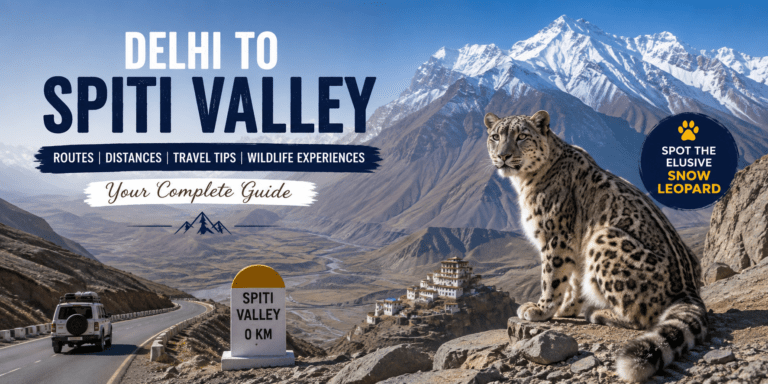
Quick answer: The best time to visit Spiti Valley for wildlife and winter expeditions is from December to March. Winter temperatures drop below -20°C, forcing elusive predators to lower altitudes. This extreme cold period offers the absolute highest chances for spotting a Snow Leopard in Spiti valley.
The high-altitude cold desert of Himachal Pradesh transforms into a frozen wilderness during winter. The harsh elements keep average tourists away. However, these same elements attract dedicated wildlife photographers and adventure seekers. Spotting a Snow Leopard in Spiti valley requires braving extreme cold. This rare apex predator descends from towering peaks to hunt during the coldest months. Therefore, winter creates the ultimate Himalayan winter wildlife safari experience.
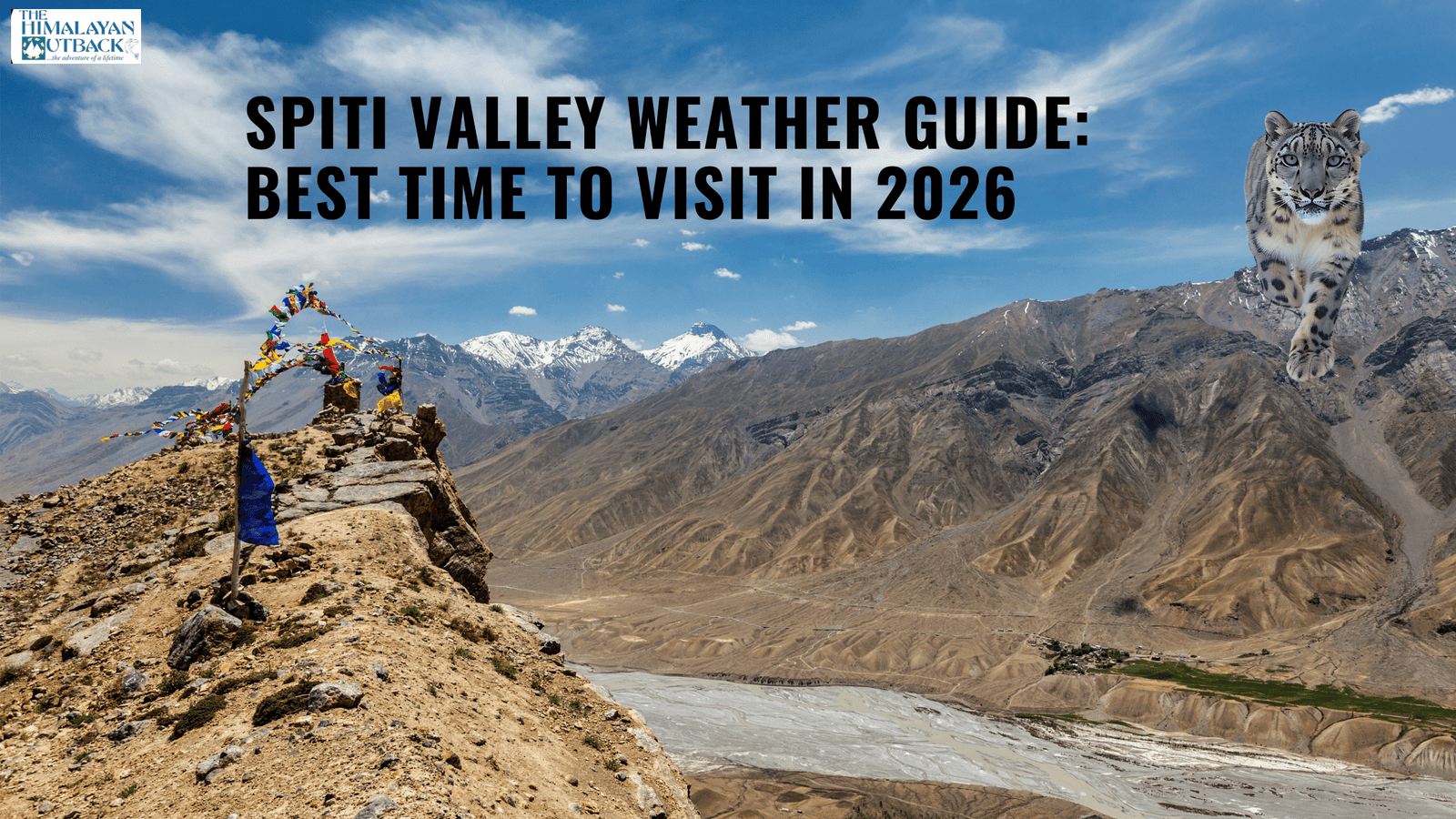
Understanding the Spiti Valley weather guide 2026 is crucial for planning your expedition. The environment is unforgiving. Temperatures can plummet rapidly. Road closures happen frequently due to heavy snowfall. As a result, meticulous planning separates a successful trip from a dangerous ordeal. This guide breaks down exactly when to travel. We will explore seasonal changes, travel safety, and wildlife viewing opportunities.
Best Season to Spot a Snow Leopard in Spiti Valley
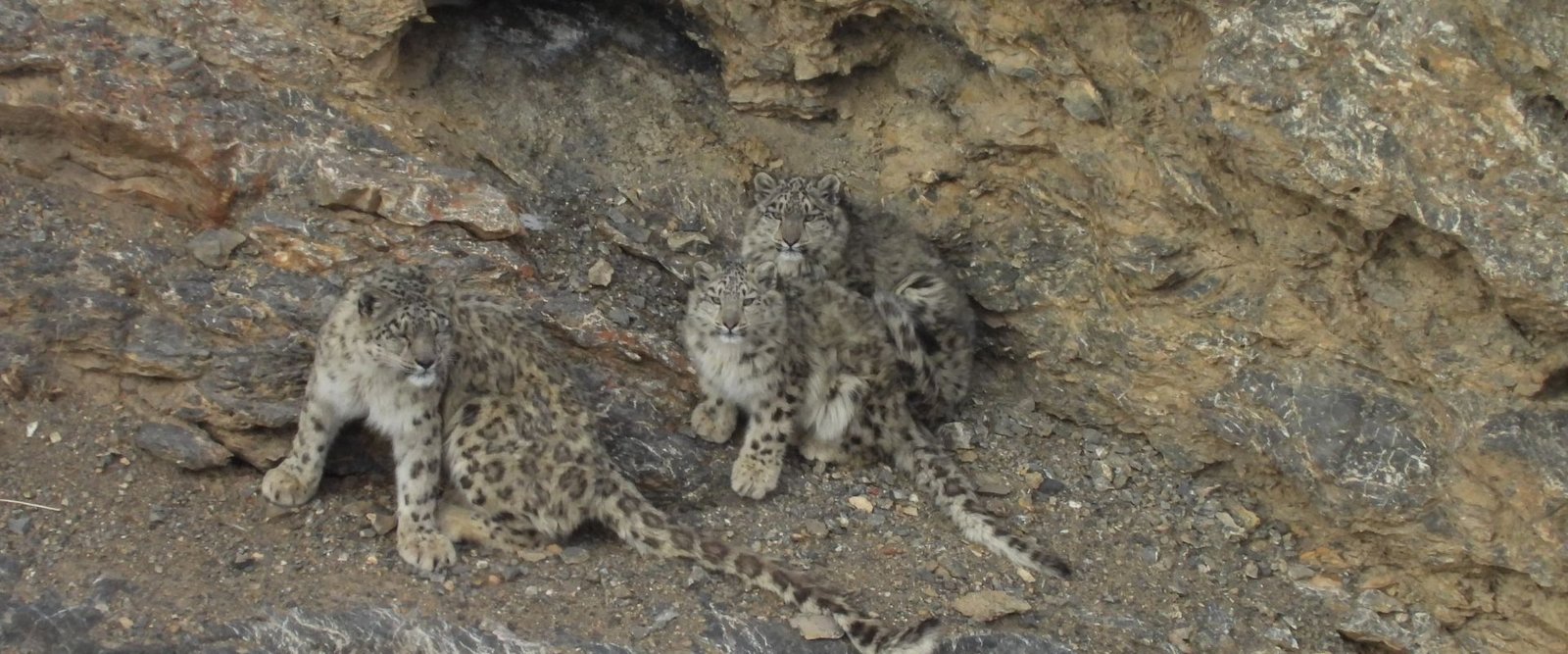
Determining the best time to visit Spiti Valley India depends entirely on your travel goals. Summer offers clear roads and accessible monasteries. However, summer is terrible for big cat sightings. The predator stays hidden near glaciers far above human reach.
Consequently, winter is the undisputed snow leopard spotting season India. From late December through March, the Spiti Valley temperature in winter drops drastically. The mercury often hits -20°C (-4°F) or lower. Heavy snow covers the high mountain passes. This forces prey animals like the blue sheep (bharal) into the lower valleys. The predators follow their food source. As a result, visitors have a realistic chance of witnessing a Snow Leopard in Spiti valley.
The Himalayan Outback specializes in these extreme cold-weather expeditions. Their expert trackers understand the terrain perfectly. They read fresh tracks in the deep snow to locate the elusive ghost of the mountains. Therefore, booking a guided tour maximizes your safety and success.
Spiti Valley Weather Guide Explained Month by Month
Planning a cold desert adventure Spiti requires understanding the distinct seasonal shifts. The LahaulSpiti tourism season changes dramatically throughout the year. Here is a breakdown of what to expect in 2026.
- December to March (Winter): Expect extreme cold and heavy snow. Temperatures range from -5°C to -25°C. This is the prime time for a Snow Leopard in Spiti valley expedition. Most roads from Manali are closed. Travelers must enter via the Shimla-Kinnaur route.
- April to May (Spring): The snow begins to melt. Temperatures rise slightly to a range of 0°C to 15°C. Wildlife slowly moves back to higher elevations. You might still spot a Snow Leopard in Spiti valley during early April.
- June to September (Summer/Monsoon): This is the peak general tourist season. Temperatures range from 10°C to 25°C. The region receives minimal rainfall. However, the approaching roads in Kinnaur can experience landslides. Big cat sightings are extremely rare.
- October to November (Autumn): Temperatures drop fast. The landscape turns golden brown. Temperatures range from -5°C to 15°C. It is a beautiful time for general photography.
Why Winter is the Real Wildlife Season for a Snow Leopard in Spiti Valley
The harsh winter reveals the true biodiversity of this region. Himalayan wildlife photography India reaches its peak during the frozen months. A Snow Leopard in Spiti valley is not the only animal you will encounter. You will also see red foxes, Tibetan wolves, and golden eagles.
Pin Valley National Park snow leopard tracking is particularly famous. The national park serves as a protected sanctuary for these endangered cats. During winter, the stark white background makes spotting wildlife significantly easier. Photographers can capture stunning contrast. Furthermore, winter is the mating season for these big cats. You might hear their distinct mating calls echoing through the quiet canyons.
Expert trackers from The Himalayan Outback know exactly where to set up observation points. They prioritize ethical wildlife viewing. Consequently, animals remain undisturbed in their natural habitat.
Hidden Travel Risks You Must Know Before Visiting Spiti
High altitude desert travel India comes with serious risks. The elevation averages around 4,000 meters (12,500 feet). Therefore, acute mountain sickness (AMS) is a major concern. Travelers must acclimatize properly. You should spend a few days in lower altitude towns before ascending.
SpitiValley road conditions are notoriously challenging. Ice covers the narrow mountain passes. Vehicles require snow chains and experienced local drivers. In addition, medical facilities are basic and sparse. Kaza travel guide resources always recommend carrying a comprehensive first-aid kit. You must also pack heavy-duty thermal wear. Frostbite can occur quickly if you are not properly insulated.
Therefore, traveling with a professional outfitter is essential. They handle logistics, emergency oxygen, and safe transport. Adventure tourism Himachal Pradesh is rewarding, but it demands respect for nature.
How to Prepare for Winter Trekking Spiti Valley
Winter trekking Spiti Valley is not for beginners. You must arrive physically prepared and well-equipped. Layering is the most important survival tactic. Start with high-quality merino wool base layers. Add thick fleece mid-layers. Finally, wear a heavy, windproof, and waterproof outer shell.
Footwear must be insulated and waterproof. Wear thick woolen socks to prevent frostbite. Additionally, the sun reflects harshly off the snow. You must wear polarized sunglasses to prevent snow blindness.
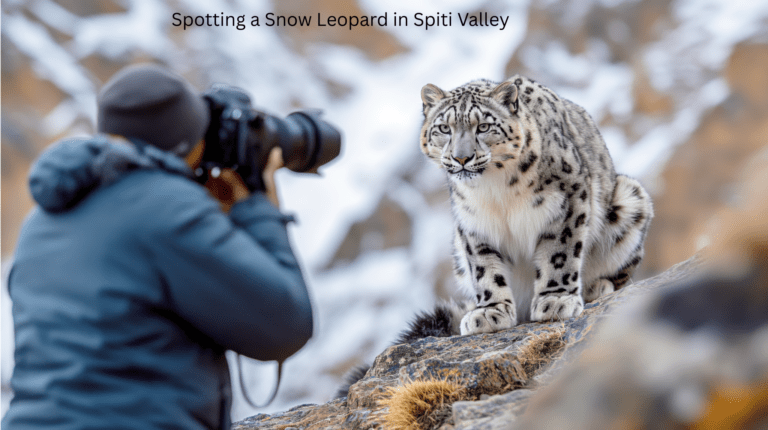
Photographers need special preparation too. Cold weather drains batteries incredibly fast. Keep spare camera batteries inside your jacket near your body heat. Bring a sturdy tripod to stabilize long telephoto lenses. Getting a crisp shot of a Snow Leopard in Spiti valley requires patience and steady gear.
Plan Your Spiti Valley Adventure 2026
Witnessing a Snow Leopard in Spiti valley is a life-changing experience. It is a rare privilege reserved for those willing to endure the freezing temperatures. By understanding the weather patterns, you can plan the perfect 2026 expedition.
Safety and expert guidance are your top priorities. The Himalayan Outback provides world-class, expert-led snow leopard expeditions. They champion responsible tourism and safe guided Himalayan journeys. Their local trackers possess generations of knowledge.
Experience Himalayan wildlife like never before. Position yourself for the best chance to see the ghost of the mountains. Book your snow leopard expedition today. Contact The Himalayan Outback to secure your spot for the 2026 winter season.
Frequently Asked Questions (FAQs)
What is the best month to see a Snow Leopard in Spiti valley?
The absolute best months are January and February. During this time, the region experiences peak winter. Heavy snowfall forces the predators down to lower valleys to hunt. This significantly increases your chances of a rare sighting.
How cold does it get in Spiti Valley during winter?
Winter temperatures in the valley are extremely harsh. Daytime temperatures hover around -5°C. However, nighttime temperatures regularly plunge to -20°C or even -30°C. Visitors must wear specialized thermal gear to survive the freezing conditions safely.
Are the roads open to Spiti Valley in the winter?
The route from Manali via Rohtang Pass is closed during winter. However, the route from Shimla through Kinnaur generally remains open all year. It is highly advised to travel with experienced local drivers in 4×4 vehicles.
Is winter trekking in Spiti safe for beginners?
Winter trekking in this high-altitude desert is dangerous for beginners. The extreme cold and thin air pose severe risks. Therefore, travelers should only attempt these treks with professional guides like The Himalayan Outback to ensure safety.