The majestic Himalayas offer an experience unlike any other. Every year, thousands of pilgrims and adventure seekers set out to witness the rugged beauty and spiritual profoundness of the mountains. Trekking in uttarakhand provides a highly rewarding yet demanding adventure, pushing hikers to test their physical endurance against steep ascents and unpredictable mountain weather. The Kedarnath trail, in particular, blends breathtaking alpine scenery with deep cultural significance.
However, navigating high altitudes requires careful planning and immense respect for the environment. Without the right preparation, the journey can quickly turn overwhelming. Safety must always remain your top priority. By understanding the trail conditions, packing the right gear, and knowing how your body responds to elevation, you can transform a challenging climb into a memorable and secure experience.
This comprehensive guide covers everything you need to know to prepare for the Kedarnath route, ensuring your journey is as safe as it is spectacular.
Overview of the Kedarnath Trekking Route
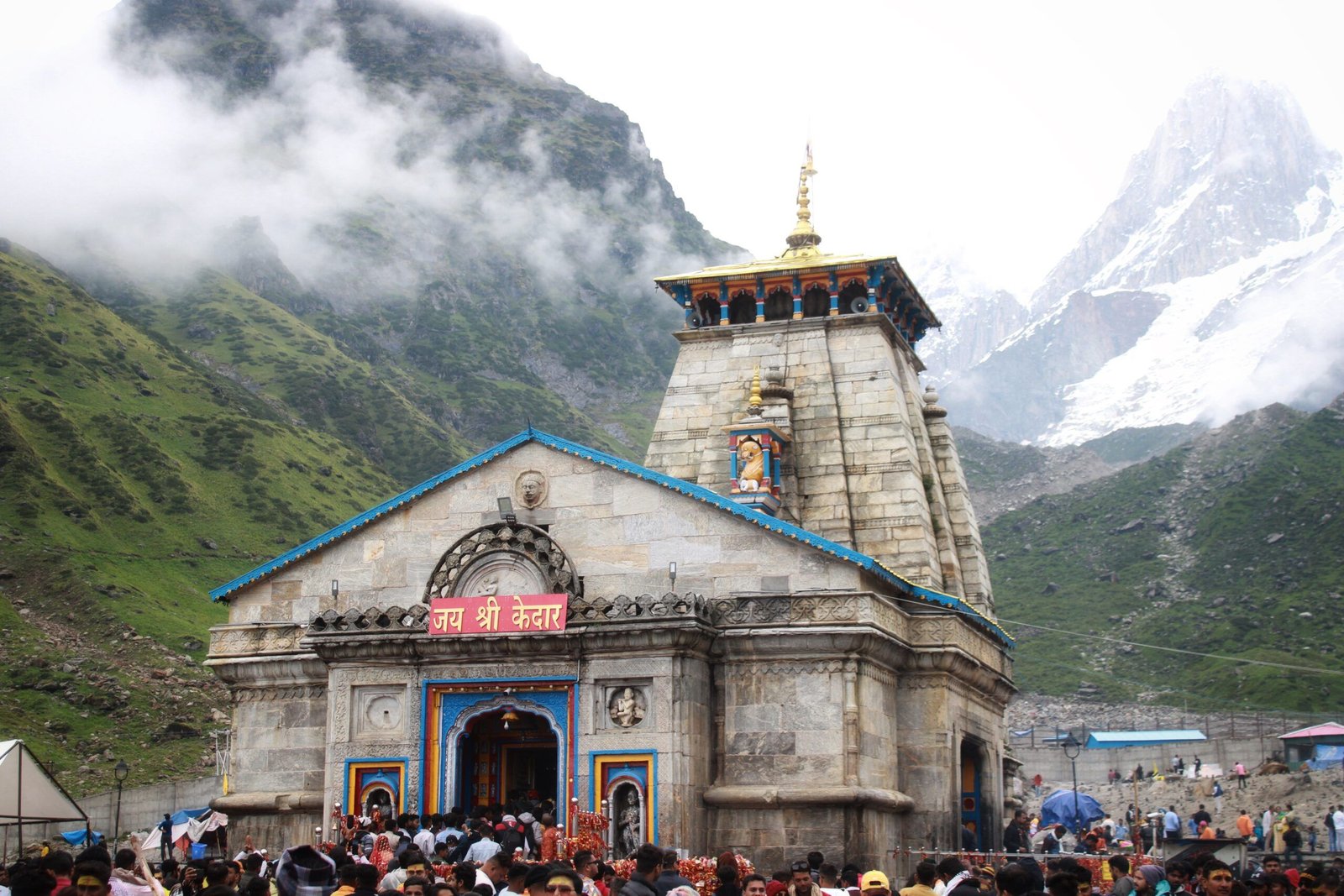
The Kedarnath trail is a legendary path located in the Rudraprayag district of Uttarakhand. Starting from the bustling base camp of Gaurikund, the trek spans approximately 16 kilometers (10 miles) to reach the revered Kedarnath Temple, situated at an imposing altitude of 3,583 meters (11,755 feet).
Trekkers navigate a continuously ascending path that weaves alongside the Mandakini River. The trail features a mix of paved steps, dirt tracks, and rocky terrain. Along the way, you will pass through small resting stops like Rambara and Linchauli, which offer basic amenities and a chance to catch your breath. The route is steep, testing the stamina of even seasoned hikers, making proper Kedarnath trek preparation absolutely essential.
Why Safety is Crucial When Trekking in Uttarakhand
The soaring peaks of the Himalayas command awe and respect. Altitude, weather, and rugged paths create a unique environment where conditions can change rapidly. High altitude trekking safety is not just a buzzword; it is the foundation of a successful trip.
At elevations above 2,500 meters, the air becomes thinner, making physical exertion significantly harder. Unpredictable rain or snowfall can make the trail slippery and dangerous. Being mindful of these factors ensures that you protect yourself, your fellow trekkers, and the local rescue teams. When you prioritize mountain safety tips trekking becomes an empowering journey rather than a hazardous ordeal.
Essential Kedarnath Trek Safety Tips
Physical Preparation and Acclimatization
A successful trek begins long before you arrive at the base camp. Building cardiovascular endurance and leg strength is vital. Incorporate jogging, stair climbing, and strength training into your routine at least four to six weeks before your trip.
Once on the trail, acclimatization is critical. Walk at a steady, manageable pace rather than rushing to the top. Your body needs time to adjust to the lower oxygen levels. Take short, frequent breaks, and listen to your body. If you feel dizzy or unusually fatigued, do not push through the pain.
Hydration and Nutrition
Dehydration accelerates exhaustion and increases the risk of altitude sickness. Drink plenty of water throughout the day, aiming for at least three to four liters. Carry energy-rich snacks like dry fruits, nuts, and energy bars to maintain your blood sugar levels. Avoid heavy, greasy meals during the climb, as they can cause sluggishness and stomach discomfort.
Weather Awareness and Gear Check
Weather conditions Kedarnath can shift from sunny to freezing within hours. Always check the local forecast before starting your hike. Layering your clothing allows you to adapt to these temperature fluctuations quickly. Start with a moisture-wicking base layer, add an insulating fleece, and top it off with a waterproof and windproof jacket.
Understanding Common Risks on the Trail
Altitude Sickness Prevention
Acute Mountain Sickness (AMS) is a very real threat when you ascend too quickly. Symptoms include headaches, nausea, dizziness, and shortness of breath. Altitude sickness prevention relies heavily on proper acclimatization, staying hydrated, and avoiding alcohol. If symptoms persist or worsen, the only effective cure is to descend immediately to a lower altitude.
Terrain and Weather Challenges
The Kedarnath route involves steep inclines and occasional loose rocks. During the monsoon, landslides and slippery paths pose a significant threat. Wearing proper footwear with excellent grip is non-negotiable. Using a trekking pole can also provide vital stability, reducing the strain on your knees during steep descents.
What to Pack: The Ultimate Trekking Essentials List India
Carrying the right equipment can make or break your trip. You want a backpack that is light enough to carry comfortably but stocked with all the necessities. Keep this trekking gear checklist handy:
- Footwear: Sturdy, broken-in trekking boots with excellent ankle support.
- Clothing: Thermal innerwear, breathable t-shirts, trekking pants, a heavy fleece, and a waterproof jacket.
- Accessories: UV-protection sunglasses, a warm beanie, waterproof gloves, and a wide-brimmed hat.
- Health and Safety: A personal first aid kit, prescribed medications, blister patches, water purification tablets, and high-SPF sunscreen.
- Gear: A reliable headlamp with extra batteries, a sturdy trekking pole, and a 20-30 liter daypack with a rain cover.
- Documents: Physical copies of your ID, emergency contacts, and required trekking permits India.
Best Time for Kedarnath Trek
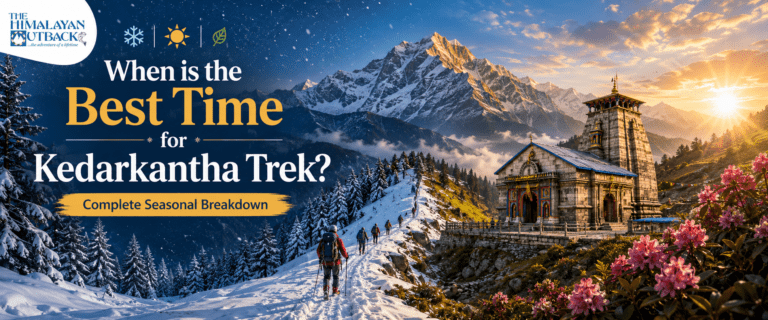
Choosing the right season dramatically impacts the safety and enjoyment of your journey. The best time for Kedarnath trek is during the pre-monsoon months of May and June, and the post-monsoon months of September and October.
During May and June, the weather is relatively pleasant, and the snow has cleared enough to make the path accessible. September and October offer crisp air, clear skies, and spectacular views of the surrounding peaks. It is highly advisable to avoid the monsoon season (July and August) due to heavy rainfall, slippery trails, and the high risk of landslides.
Do’s and Don’ts for a Beginner Trekking Uttarakhand
If you are a beginner trekking Uttarakhand for the first time, keeping a few fundamental rules in mind will keep you safe and comfortable.
Do:
- Register yourself at the base camp before starting the trek.
- Pace yourself and take regular, short breaks.
- Give way to mules and porters carrying heavy loads on the trail—always stand on the mountain side of the path, not the valley side.
- Stay on the designated path to avoid getting lost or stepping on unstable ground.
Don’t:
- Litter on the trail. Always carry a small trash bag for your wrappers and plastic waste.
- Consume alcohol or smoking, as both hinder acclimatization and breathing capacity.
- Ignore your body’s warning signs. A headache at high altitude should never be dismissed.
- Trek after dark unless absolutely necessary and accompanied by a professional guide.
The Benefits of Choosing Guided Trekking Tours Uttarakhand
For many hikers, organizing logistics, managing safety protocols, and navigating unfamiliar terrain can be stressful. This is where professional operators come in. Opting for guided trekking tours Uttarakhand offers peace of mind, especially for first-timers or solo travelers.
Partnering with experts like The Himalayan Outback ensures that you have access to experienced guides who understand the nuances of the local weather and terrain. They manage the necessary permits, arrange emergency support, and provide valuable Himalayan trekking safety advice along the route. Trekking with a reputable company means you can focus entirely on the spiritual and visual beauty of the Kedarnath trail, knowing that your safety is in capable hands.
Frequently Asked Questions (FAQs)
What is the difficulty level of the Kedarnath trek?
The Kedarnath trail is generally considered moderate to difficult. While it does not require technical climbing skills, the continuous steep ascent and high altitude make it physically demanding. Proper cardiovascular preparation is essential for a safe and comfortable experience.
Is Trekking in uttarakhand safe for solo travelers?
Yes, it is generally safe for solo travelers, provided you stick to well-marked trails and popular routes like Kedarnath. However, hiring a local guide or joining a group through a reputable company like The Himalayan Outback adds an important layer of safety and local expertise.
How can I prevent altitude sickness on the Kedarnath route?
To prevent altitude sickness, you must ascend gradually and avoid rushing. Drink plenty of water throughout the hike, eat light and nutritious meals, and abstain from alcohol and smoking. If you experience persistent headaches or nausea, descend immediately.
What should I pack for an emergency during the trek?
Your emergency kit should include a basic first aid kit, personal medications, blister plasters, water purification tablets, an emergency whistle, a headlamp, and high-energy snacks. Having these items ensures you are prepared for minor injuries or unexpected delays.
Do I need a permit for Trekking in uttarakhand?
For the Kedarnath trek, pilgrims and trekkers must register themselves, which can be done online or at physical counters in Gaurikund or Haridwar. Some remote treks do require specific trekking permits India, so always verify the current regulations before your trip.
Can beginners complete the Kedarnath trek successfully?
Absolutely. Many beginners complete this trek every year. The key to success is adequate Kedarnath trek safety tips awareness, strong physical preparation prior to the trip, and maintaining a slow, steady pace on the mountain.
Plan Your Next Trekking in Uttarakhand Adventure
The Kedarnath trail is a profound journey that rewards you with spectacular views and a deep sense of accomplishment. While the mountain presents distinct challenges, a focus on preparation, acclimatization, and high altitude trekking safety ensures you can tackle the ascent with confidence. By respecting the environment and listening to your body, you set the stage for an unforgettable Himalayan adventure.
If you are looking to explore this magnificent region without the stress of planning and logistics, consider reading a comprehensive Uttarakhand trekking guide to help map out your route. For a truly seamless experience, reach out to The Himalayan Outback. Their team of seasoned professionals specializes in curating safe, well-organized, and deeply rewarding journeys. Contact The Himalayan Outback today to book your guided tour, and take your first step toward conquering the stunning trails of the Himalayas safely.