People often use the words “hiking” and “trekking” interchangeably. You pack a backpack, lace up a sturdy pair of boots, and walk into nature. But for anyone planning their first true adventure travel experience, knowing the exact distinction is crucial. Planning a casual weekend stroll requires entirely different preparation than an unforgettable Himachal Trekking expedition. Understanding these terms will shape your entire journey, dictate the gear you pack, and determine the level of physical fitness you need.
Many beginners arrive in the mountains expecting a simple walk, only to find themselves facing steep inclines and multi-day routes. Others overpack for a gentle afternoon trail. By learning the clear difference between hiking and trekking, you can choose the right trail for your skill level.
What is Hiking vs Trekking: A Clear Comparison
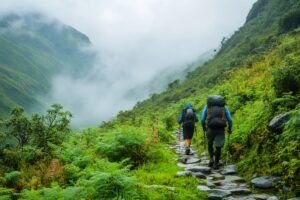
At its core, hiking involves walking on pre-charted, well-defined paths. These trails are usually well-maintained, relatively smooth, and easily accessible. You might hike through a local national park, up a small forested hill, or along a coastal path. The primary goal is recreation and enjoying nature hiking vs mountain trekking, which demands a more serious commitment.
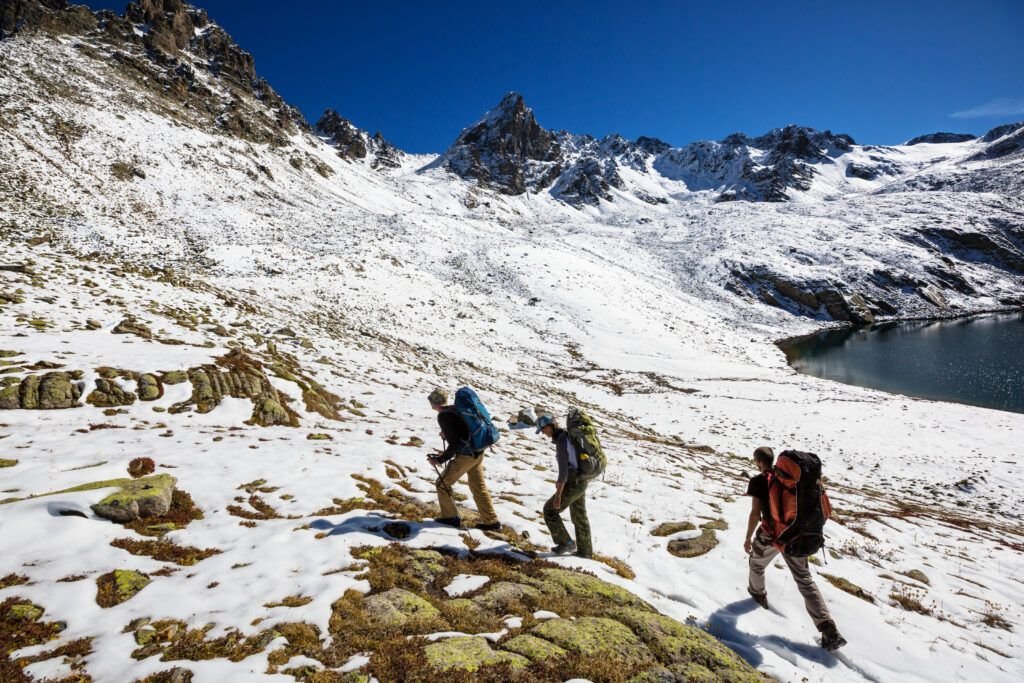
Trekking, on the other hand, is a more rigorous and demanding journey. It involves walking through challenging, often unmarked terrains, completely immersed in remote wilderness. Treks usually last for several days or even weeks. When you embark on a classic Himalayan trekking experience, you are committing to long days of walking, changing weather conditions, and high altitudes.
Key Differences Between Hiking and Trekking
Understanding the difference between hiking and trekking comes down to four main factors: distance, difficulty, terrain, and duration.
Duration and Distance
A hike is typically a day trip. You start in the morning and return to your starting point or a comfortable lodge by the afternoon. The distance rarely exceeds 15 to 20 kilometres. Trekking spans multiple days. You cover vast distances, often moving from one remote campsite to another.
Terrain and Accessibility
Hiking trails are established and clearly marked. You will find signs, clear paths, and sometimes even wooden stairs on steeper sections. Trekking takes you off the beaten path. You might cross glaciers, navigate rocky boulder fields, or ford freezing mountain rivers. The environment is rugged, and the paths are often formed only by local shepherds or previous adventure trekking India expeditions.
Difficulty and Physical Demand
Almost anyone with a basic level of fitness can enjoy a hike. You control the pace, and the elevation gain is usually moderate. Trekking requires stamina, mental resilience, and physical preparation. Carrying a heavy backpack over mountain passes at high altitudes pushes your body to its limits.
Why Himachal Trekking is the Ultimate Adventure
India offers some of the most spectacular mountain landscapes in the world. For enthusiasts looking to push their limits, nothing compares to the thrill of Himachal Trekking. The state of Himachal Pradesh serves as the gateway to the mighty Himalayas, offering a perfect blend of rich culture, breathtaking vistas, and thrilling trails.
The geography here provides unparalleled diversity. You can walk through lush alpine meadows, dense cedar forests, and arid high-altitude deserts all within a single journey. The region caters to everyone, from absolute beginners looking for easy treks in Himachal to seasoned mountaineers seeking a severe physical challenge.
If you want to dive deeper into the specific trails this region has to offer, explore this comprehensive guide on trekking in Himachal Pradesh. It details everything from the easiest day hikes to the most demanding multi-day expeditions.
Popular Himalayan Trekking Routes in Himachal
Choosing the right trail makes all the difference. The region boasts a massive variety of Himalayan trekking routes tailored to different experience levels.
Beginner Trekking in Himachal
For those just starting out, the Triund Trek near McLeod Ganj is an excellent introduction. It offers a gentle incline, well-defined paths, and rewarding views of the Dhauladhar range. The Bhrigu Lake trek is another fantastic option. It provides a taste of high-altitude meadows without requiring technical mountaineering skills. These routes are perfect for building confidence before tackling longer expeditions.
Moderate to Advanced Mountain Hiking Trails India
Experienced adventurers often look toward the Hampta Pass or the demanding Pin Parvati Pass. The Hampta Pass connects the lush Kullu Valley with the stark, barren landscapes of Lahaul. It presents a dramatic shift in scenery and tests your endurance. The Pin Parvati Pass is significantly harder, acting as a true test of stamina for anyone pursuing serious adventure tourism India.
Essential Gear for Trekking in the Himalayas
Packing correctly can make or break your trip. A day hike requires little more than water, snacks, a basic first aid kit, and a light jacket. A multi-day trek demands a comprehensive checklist.
Your trekking gear Himalayas kit should prioritize layers. The weather in the mountains changes rapidly. Bring moisture-wicking base layers, insulating fleece, and a waterproof outer shell. Invest in high-quality, broken-in trekking boots with excellent ankle support. A sturdy, ergonomic backpack is non-negotiable, as you will be carrying it for hours each day. Do not forget essentials like a warm sleeping bag, a headlamp, trekking poles, and a personal medical kit.
High Altitude Trekking Safety and Preparation
Safety must always come first when you head into the mountains. High altitude trekking safety revolves largely around acclimatization. As you ascend, the air becomes thinner, making it harder for your body to absorb oxygen.
To prepare for your first trekking experience in India, start a cardiovascular fitness routine months in advance. Running, cycling, and stair-climbing build the necessary lung capacity and leg strength. Once on the trail, walk at a steady, manageable pace. Drink plenty of water to stay hydrated, and never ignore the signs of Acute Mountain Sickness (AMS). Headaches, nausea, and extreme fatigue are warnings that you need to descend immediately.
The Benefits of Guided Trekking Tours Himalayas
Navigating the wilderness alone poses significant risks, especially for beginners. Booking guided trekking tours Himalayas ensures a safer, more enriching experience. Expert guides understand the local terrain, monitor changing weather patterns, and know exactly how to handle medical emergencies.
This is where a trusted partner like The Himalayan Outback truly shines. They provide unparalleled expertise, handling all the complex logistics from permits to high-quality camping equipment. By choosing comprehensive Himachal adventure travel packages, you free yourself to simply enjoy the journey. The guides share fascinating stories about the local culture and wildlife, elevating a simple walk into a profound life experience.
Frequently Asked Questions (FAQs) About Himachal Trekking
What is the main difference between hiking and trekking?
Hiking usually involves walking on well-marked, pre-existing trails for a single day. Trekking is a multi-day journey through rugged, remote, and often unmarked terrains. Trekking demands higher physical endurance and specialized camping equipment.
Is beginner trekking in Himachal safe for solo travellers?
While some popular day hikes are safe for solo walkers, multi-day trekking is best done with a group or a professional guide. Weather can change rapidly, and having an expert ensures you stay on the correct path and acclimatize properly.
What is the best time of year for Himachal Trekking?
The ideal seasons for Himachal Trekking are the pre-monsoon months of May and June, and the post-monsoon period from September to November. During these windows, the skies are generally clear, and the trails are free from heavy monsoon rains.
Do I need specialized boots for mountain hiking trails India?
Yes. Sturdy trekking boots with good grip and ankle support are highly recommended. Trail running shoes might suffice for flat, easy hikes, but rugged Himalayan trails require proper footwear to prevent rolled ankles and blisters.
How do I prepare physically for an adventure trekking India expedition?
Start training at least two months before your trip. Focus on cardiovascular exercises like running and swimming. Incorporate strength training for your legs and core. Practice walking long distances while carrying a weighted backpack.
Can The Himalayan Outback help me plan my first trek?
Absolutely. The Himalayan Outback specializes in curating safe, memorable, and expertly guided trekking experiences. They cater to all skill levels, ensuring you have the right gear, proper acclimatization, and an unforgettable adventure.
Step into the Wild with The Himalayan Outback
The mountains have a unique way of challenging our limits and expanding our horizons. Now that you understand the difference between hiking and trekking, you are ready to make an informed decision about your next great escape. Whether you want to witness the alpine lakes of the Kullu Valley or conquer a high-altitude mountain pass, the right preparation guarantees a successful journey.
Stop dreaming about the mountains and start planning your reality. Exceptional Himachal Trekking experiences await those bold enough to take the first step. For expertly guided tours, top-tier safety standards, and truly authentic Himalayan adventures, reach out to The Himalayan Outback today. Book your trekking package, pack your bags, and prepare for a transformative journey into the heart of the wild.