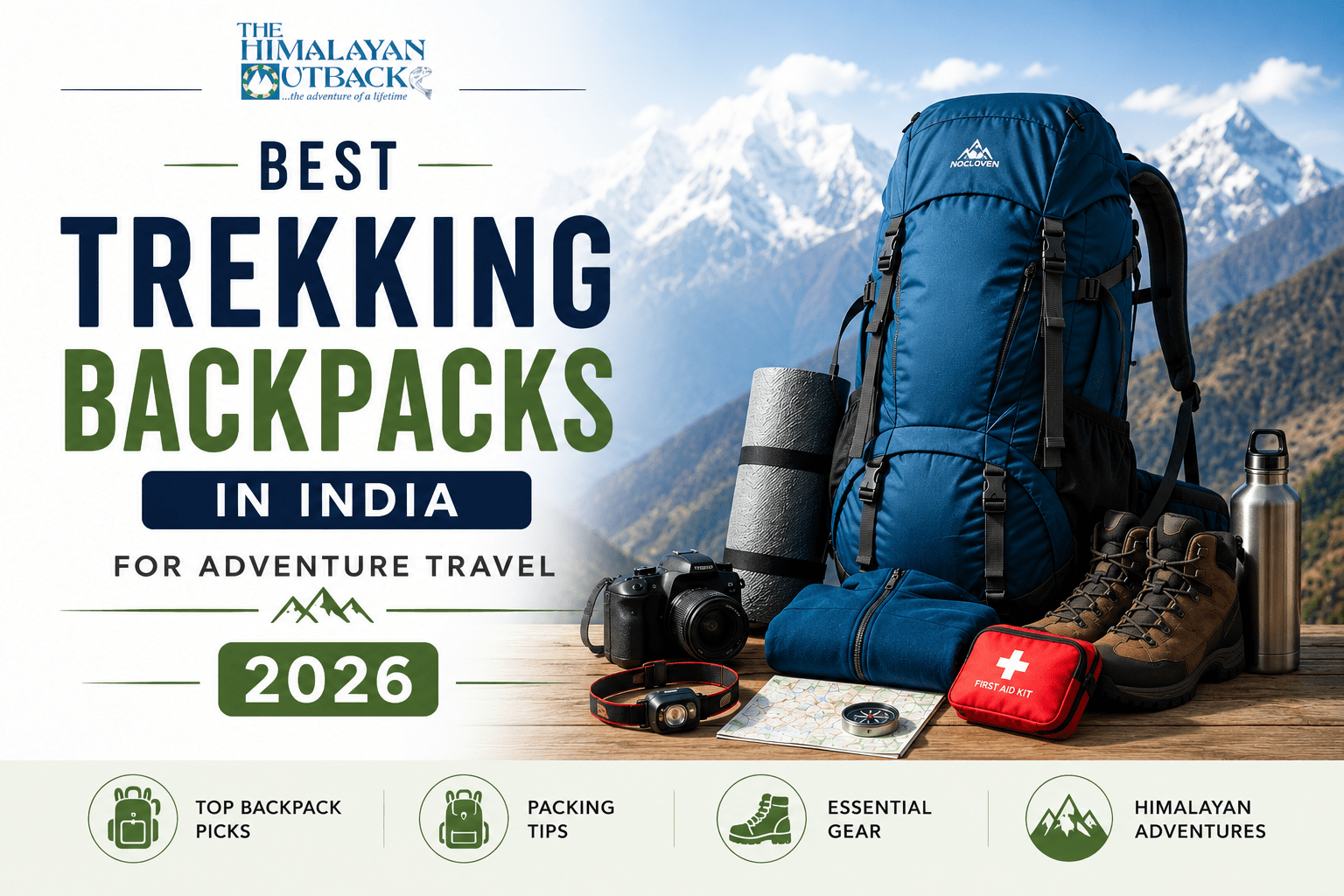
The outdoor culture across the subcontinent has seen a massive surge, with more thrill-seekers looking to conquer breathtaking mountain passes and dense forest trails. If you are planning on Trekking in India, the most crucial decision you will make before hitting the trail is selecting the right gear. A high-quality backpack functions as your mobile home, carrying your survival essentials, clothing, and shelter while you navigate challenging terrains.
Choosing the wrong pack can lead to severe back pain, shoulder strain, and ruined equipment if the weather suddenly turns harsh. Conversely, a well-fitted, durable pack allows you to focus on the spectacular views rather than the weight on your shoulders. This comprehensive guide will walk you through exactly how to select the ideal pack for your upcoming journey, ensuring you remain comfortable and safe from the first step to the summit.
Why Trekking Backpacks Matter for Adventure Travel in India
Navigating the diverse landscapes of the subcontinent requires specific equipment designed for endurance and stability. Standard luggage or basic daypacks simply cannot handle the rigors of multi-day expeditions. Purpose-built hiking backpacks India are engineered to distribute heavy loads evenly across your hips rather than hanging entirely from your shoulders.
When you engage in Trekking in India, you encounter unpredictable weather, steep inclines, and rugged paths. A specialized pack provides a lower center of gravity, which helps maintain your balance on rocky trails. Furthermore, advanced suspension systems promote airflow across your back, reducing sweat and preventing chafing during long, strenuous ascents. Investing in the right pack means investing in your physical health and overall enjoyment on the trail.
Key Features to Look for in a Trekking Backpack
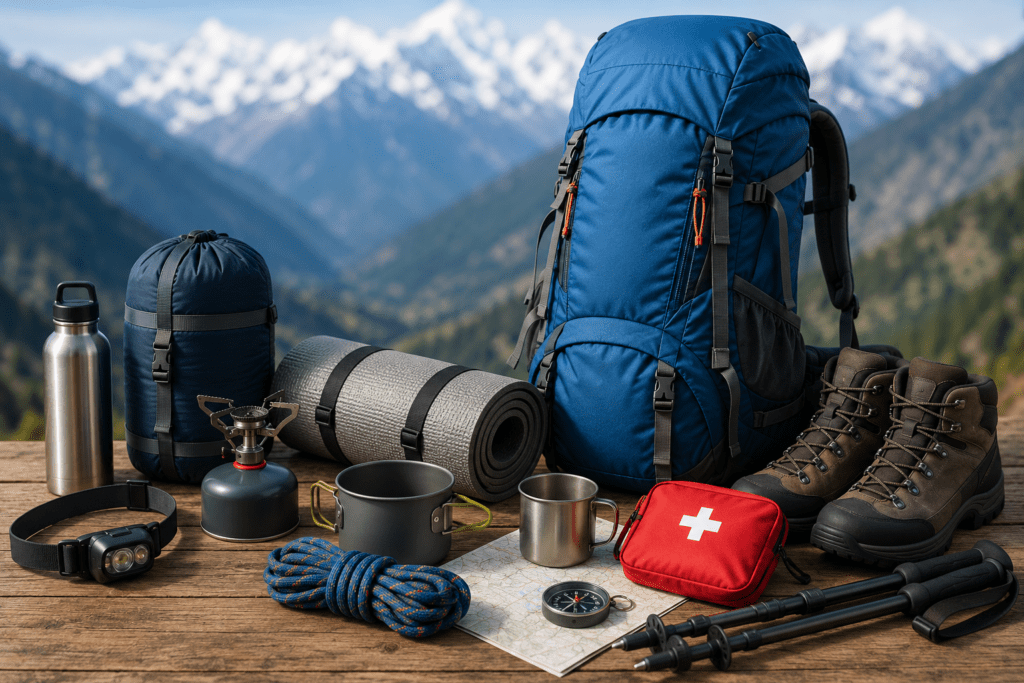
To find the best trekking backpacks India offers, you need to look beyond aesthetics. Pay close attention to these critical features when evaluating your options:
Capacity and Compartments
Your pack must hold all your mountain trekking essentials without bursting at the seams. Multiple compartments, including a separate sleeping bag section and quick-access hip belt pockets, allow you to organize gear efficiently.
Comfort and Straps
Look for adjustable torso lengths, padded hip belts, and contoured shoulder straps. A sternum strap is also vital for keeping the shoulder straps secured and relieving tension across your chest.
Waterproofing Capabilities
Mountain weather changes rapidly. A highly water-resistant pack, ideally accompanied by an integrated rain cover, is non-negotiable. A waterproof trekking backpack protects your expensive electronics and dry clothing from sudden downpours.
Durability and Materials
Rough terrain means your pack will scrape against rocks, thorny bushes, and dirt. Durability trekking equipment is typically constructed from high-denier ripstop nylon or polyester, ensuring the fabric won’t tear easily under pressure.
Best Backpack Sizes for Different Types of Treks
Understanding the backpack capacity guide 40L 50L 60L 70L is essential for matching your gear to your itinerary.
Short Treks (1-3 Days): 40L to 50L
Weekend trips require minimal clothing and food. A 40L or 50L pack offers ample space for a sleeping bag, basic layers, and a few meals, making it perfect as a lightweight trekking backpack for quick excursions.
Medium Treks (4-7 Days): 50L to 60L
For week-long journeys, you will need more food, extra layers, and perhaps a tent. This capacity is the sweet spot for most adventure travel backpacks used on popular Himalayan routes.
Long Expeditions (8+ Days): 60L to 70L+
Extended journeys demand heavy-duty long distance trekking equipment. A 70L pack accommodates bulky winter gear, extensive food supplies, and specialized climbing tools required for serious alpine adventures.
How to Choose the Right Trekking Backpack for Himalayan Conditions
Trekking in the Himalayas presents unique challenges, from sub-zero temperatures to intense UV exposure. Proper Himalayan trekking preparation dictates that your pack must accommodate bulky cold-weather gear while remaining comfortable.
When planning your expedition, look for packs with external attachment points for ice axes and trekking poles. Ensure the zippers are robust enough to operate while wearing heavy gloves. If you are preparing for your first major altitude challenge, partnering with experts can make all the difference. The Himalayan Outback specializes in organizing safe, guided Trekking in India experiences, ensuring you have the right gear and knowledge to tackle the majestic peaks.
Packing Tips for Trekking in India
Efficient packing improves your balance and reduces fatigue. Follow this essential travel packing guide for trekkers to optimize your load:
- Bottom Zone: Place your sleeping bag and camp shoes here. You won’t need them until the end of the day.
- Core Zone: Store heavy items like food, cooking gear, and hydration bladders close to your spine to maintain a solid center of gravity.
- Top Zone: Pack bulky clothing layers, fleece jackets, and your first-aid kit for relatively easy access.
- Accessory Pockets: Keep your map, snacks, headlamp, and sunscreen in the hip belt or top lid pockets.
Common Mistakes Trekkers Make While Choosing Backpacks
Many enthusiasts ruin their outdoor adventure gear India experience by making easily avoidable errors. The most common mistake is buying a pack that is too large, leading to the temptation to overpack unnecessary items. Another frequent error is ignoring torso length. A pack that is too long or too short will never sit correctly on your hips, causing severe shoulder pain regardless of how much you adjust the straps. Finally, beginners often prioritize price over quality, ending up with broken zippers or torn straps halfway up a mountain.
Essential Trekking Gear Checklist for India Adventures
Having the right travel gear for Himalayas is critical for safety. Here is a quick checklist for your next journey:
- Sturdy, broken-in trekking boots
- Moisture-wicking base layers and insulated mid-layers
- Waterproof and windproof outer shell jacket
- High-quality sleeping bag rated for sub-zero temperatures
- Trekking poles for knee support during descents
- Hydration system and water purification tablets
- Comprehensive first-aid kit and emergency whistle
- Headlamp with extra batteries
Why Lightweight and Ergonomic Backpacks Improve the Trekking Experience
Carrying excessive weight diminishes the joy of exploration. A lightweight trekking backpack reduces the physical toll on your joints and muscles, allowing you to cover more distance with less fatigue. Ergonomic designs mold to the natural curve of your spine, transferring the load smoothly down to your legs. When your pack feels like an extension of your body rather than a burden, you can truly absorb the breathtaking landscapes around you.
Frequently Asked Questions (FAQs)
What is the ideal backpack size for a beginner trekker?
For most beginners, a 50L to 60L backpack is highly recommended. This size offers enough space to carry essential trekking gear for beginners without becoming overly heavy or cumbersome during a standard 4-to-6-day trip.
Is a rain cover necessary if my backpack is water-resistant?
Yes. While water-resistant fabrics repel light drizzle, prolonged exposure to heavy mountain rain will eventually soak through. Using a dedicated waterproof rain cover ensures your clothing and sleeping bag stay completely dry.
How heavy should my backpack be when fully loaded?
A general rule of thumb for Trekking in India is that your fully loaded backpack should not weigh more than 20% of your total body weight. Keeping your pack light significantly reduces the risk of injury and exhaustion.
Can I use a regular travel backpack for Himalayan treks?
No, standard luggage lacks the necessary internal frame, hip belts, and durable materials required for mountain environments. Specialized adventure travel backpacks are crucial for proper weight distribution and trail safety.
What is the best time of year for Trekking in India?
The ideal seasons are generally pre-monsoon (April to June) and post-monsoon (September to November). These months offer the clearest skies, stable weather conditions, and the most spectacular mountain views.
Do I need a different backpack for high-altitude winter treks?
Winter expeditions require a larger capacity, usually 65L or more, to accommodate bulky insulated clothing, heavier sleeping bags, and specialized snow equipment. Ensure the material can withstand freezing temperatures without cracking.
Start Your Next Himalayan Adventure with The Himalayan Outback
Choosing the perfect backpack is just the first step in planning a remarkable mountain journey. Successfully navigating rugged trails requires careful preparation, local expertise, and an unwavering commitment to safety. This is where The Himalayan Outback truly excels.
As a premier provider of adventure tourism, The Himalayan Outback offers expertly guided expeditions tailored to all experience levels. Their professional teams handle the complex logistics, allowing you to focus purely on the joy of exploration. Whether you are aiming to conquer a high-altitude pass or enjoy a peaceful hike through remote valleys, their experienced guides ensure your Trekking in India experience is safe, comfortable, and absolutely unforgettable. Contact The Himalayan Outback today to start planning your ultimate adventure and create memories that will last a lifetime.