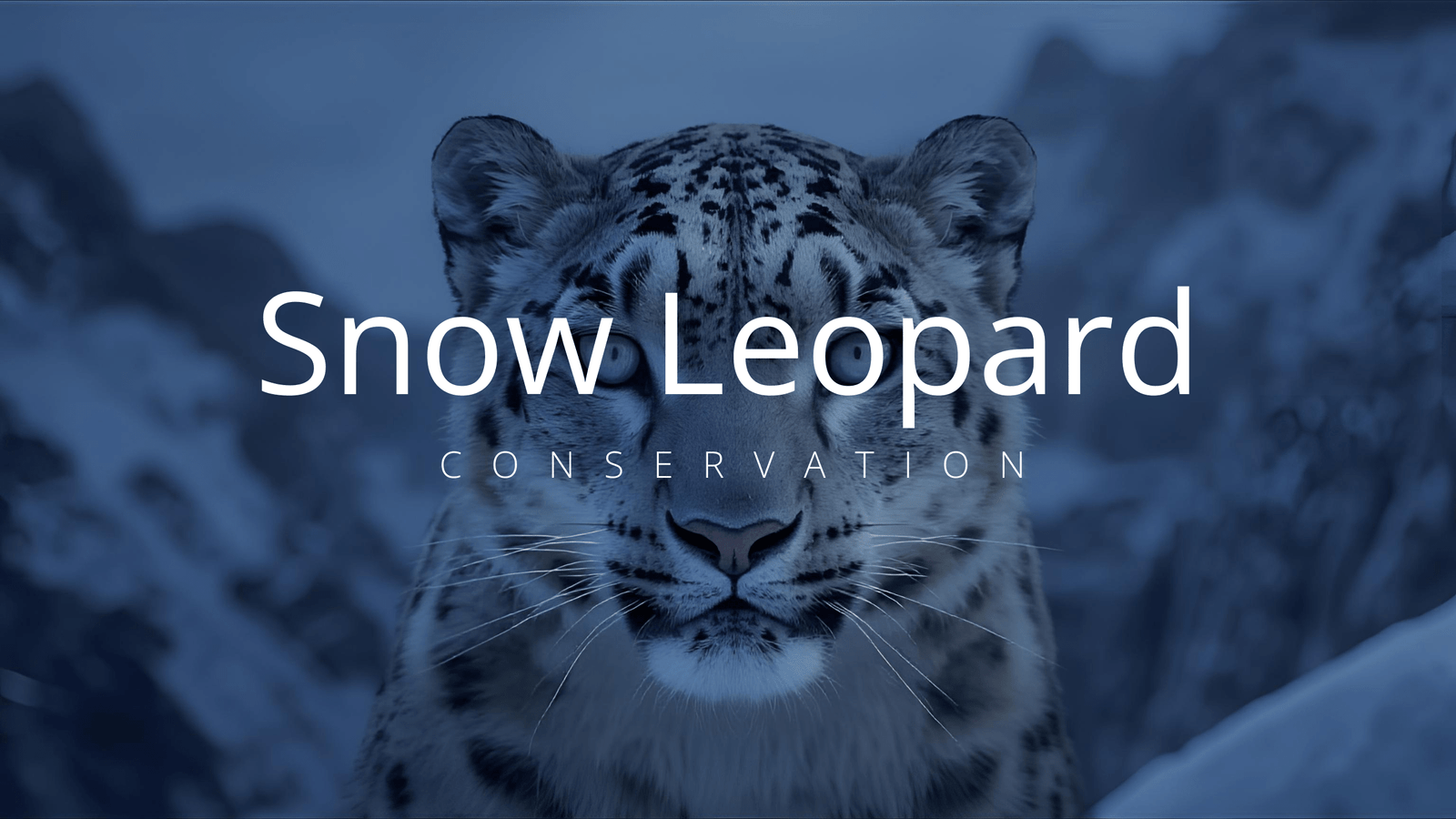
Imagine standing on a ridge in the high Himalayas. The air is thin, the wind bites at your exposed skin, and the silence is so profound it feels heavy. You are scanning the rocky, snow-dusted slopes for movement. You are looking for a creature so elusive that locals refer to it as the “Grey Ghost.” For decades, seeing a snow leopard was a mythic event, a stroke of luck reserved for a handful of rugged mountaineers.
Today, however, the story is changing. In the stark, beautiful landscapes of Himachal Pradesh, a quiet revolution is taking place. The Spiti Valley has emerged as a global beacon for wildlife preservation, transforming the relationship between humans and nature. What was once a relationship defined by conflict has evolved into a partnership of protection.
This shift didn’t happen by accident. It is the result of dedicated Snow Leopard Conservation in Spiti Valley, a movement driven by local communities, conservationists, and responsible tourism. Understanding this effort is key to appreciating why this region is now one of the best places on Earth to spot these magnificent cats in the wild.
The Elusive Ghost of the Himalayas
The Indian Snow Leopard is a master of disguise. Native to Central and South Asia, these cats reside at dizzying elevations between 3,000m and 4,500m above sea level. Their smoky-grey fur, patterned with dark rosettes, allows them to vanish into the rocky terrain of the Himalayas. They are solitary, silent, and incredibly shy, preferring to keep a wide distance from human settlements.
Historically, this secretive nature made it difficult to track their population numbers. However, experts estimate the global population is well under 10,000 and is currently classified as vulnerable. While these numbers are concerning, specific pockets of hope are emerging. Spiti Valley is one such place.
In recent years, the narrative of the “Grey Ghost” has shifted from a creature that is never seen to one that is observed with increasing frequency. In fact, due to successful conservation efforts, the chance of sighting a snow leopard during a dedicated expedition in Spiti has risen to nearly 50%.
Why Conservation is Critical: The Threats
To understand the importance of Snow Leopard Conservation in Spiti Valley, we must first understand the threats these animals face. The decline of the snow leopard population is almost entirely driven by human factors. Without intervention, it is estimated that the global population could decrease by another 10% over the next 23 years.
The Scourge of Poaching
Illegal trade remains the most significant threat to the species. The demand for snow leopard fur, organs, and paws drives a brutal black market. Between 2008 and 2016, statistics suggested that one snow leopard was killed every single day in illegal trade, amounting to nearly 250 cats annually worldwide.
Habitat Destruction and Prey Shortage
As human populations expand, the natural habitat of the snow leopard shrinks. These cats require vast territories to roam and hunt. When humans encroach on these sub-alpine and alpine areas for agriculture or livestock grazing, the cats are pushed into smaller, fragmented pockets of land.
Furthermore, the snow leopard’s food sources are vanishing. Their primary prey—Blue Sheep and mountain goats—are also targets for poachers or are forced to compete with domestic livestock for grazing land. When the wild prey population crashes, snow leopards are forced to hunt domestic livestock, leading to retaliatory killings by herders trying to protect their livelihood.
The Impact of Climate Change
The Himalayas are often called the “Third Pole,” and they are warming at an alarming rate. Snow leopards are adapted to cold, snowy climates. As global temperatures rise, the snowline recedes, and the alpine zone changes. This forces the animals to move to even higher elevations or restricts them to shrinking islands of suitable habitat, threatening their long-term existence.
A Community-Led Turnaround
Despite these daunting challenges, the situation in Himachal Pradesh offers a blueprint for success. Snow Leopard Conservation in Spiti Valley is effective because it involves the people who share the mountain with the cats.
In the past, a snow leopard taking a goat was a financial disaster for a local family, often leading to the cat being killed in retaliation. Today, the approach is different. Conservation programs have worked to turn the snow leopard from a pest into an asset.
Locals as Guardian Angels
The residents of Spiti have become the primary guardians of the ecosystem. Through education and community engagement, locals have learned how to coexist with these predators. They understand that a healthy snow leopard population indicates a healthy mountain ecosystem.
This shift in perspective is evident in the Kibber Wildlife Sanctuary. This sanctuary has become a safe haven, reportedly home to about 30 of these large cats. The fact that numerous cubs have been spotted here suggests that the animals feel safe enough to breed and raise their young, a significant indicator of conservation success.
The Role of Weather and Geography
Nature has also played a role in the recent spike in sightings. Heavy snowfall in the high peaks pushes the prey animals—the Blue Sheep—down to lower elevations to find food. The snow leopards follow their food source. This natural migration, combined with the protection provided by the community, brings the cats closer to areas where they can be observed safely by humans.
Tourism as a Force for Good
One of the most powerful drivers of Snow Leopard Conservation in Spiti Valley is responsible wildlife tourism. The economic growth generated by visitors allows the local community to see the financial value of a living snow leopard.
When travelers come to Spiti to witness the “Grey Ghost,” they stay in local homestays, hire local guides, and use local transport. This income incentivizes the protection of the animal. It creates a cycle where conservation leads to tourism, and tourism funds further conservation.
The increase in sightings has opened the doors to some of the world’s best big cat adventures. It is no longer just a shot in the dark; it is a viable expedition for wildlife enthusiasts. However, this tourism must be managed carefully. It requires strict adherence to ethical guidelines to ensure the animals are not stressed or disturbed in their natural habitat.
How to Experience the Magic
If you are compelled by the story of the snow leopard and want to witness these conservation efforts firsthand, Spiti Valley is the place to be. But this is not a trip to be taken lightly. It requires expert guidance, knowledge of the terrain, and a deep respect for the wildlife.
The best way to visit is through organizations that are deeply embedded in the region and committed to ethical practices. By choosing the right partners for your journey, you contribute directly to the ongoing protection of these cats.
Successful Snow Leopard Conservation in Spiti Valley proves that we can reverse the damage done to our planet’s biodiversity. It shows that when communities are empowered and wildlife is valued, even the most elusive ghosts of the mountains can be brought back from the brink.
Ready to Track the Grey Ghost?
Seeing a snow leopard in the wild is a life-changing experience that connects you to the raw power of the Himalayas. If you are ready for an adventure that supports vital conservation work, we can help you plan your journey.
Contact the Himalayan Outback today to learn more about our guided Snow Leopard expeditions and how you can be part of this incredible conservation story.