Deep within the swirling currents of the Himalayas lies a creature that looks like it swam straight out of the prehistoric era. With rows of sharp teeth, a massive, flattened head, and a reputation that blurs the line between fact and folklore, the Goonch Catfish commands absolute respect. For decades, this elusive giant has captivated anglers and wildlife enthusiasts who travel to the remote corners of the world just to catch a glimpse of it.
Also known by its scientific name, Bagariusyarrelli, this massive predator is not your average bottom feeder. It thrives in fast-flowing waters where few other species can survive, acting as an apex predator in a delicate underwater world. But the narrative surrounding this incredible animal is changing. The focus is shifting from simply trying to catch a monster to understanding its vital role in nature.
By learning about this remarkable species, we can help protect it before it disappears into the murky depths of history. This blog explores the fascinating characteristics, thrilling myths, and urgent conservation needs of the magnificent Goonch Catfish.
What is the Goonch Catfish?
The Goonch Catfish is a large species of catfish found primarily in the river systems of South Asia. Often referred to as the giant devil catfish due to its intimidating appearance, it is a prized catch for those interested in extreme angling. Unlike the slow-moving catfish found in murky lakes, the goonch is built for power and endurance.
Belonging to the Sisoridae family, Bagariusyarrelli is specially adapted to thrive in highly oxygenated, fast-moving rivers. It is a true marvel of evolutionary biology. Its body is streamlined yet incredibly muscular, allowing it to anchor itself against raging currents while waiting to ambush unsuspecting prey.
Physical Characteristics and Size
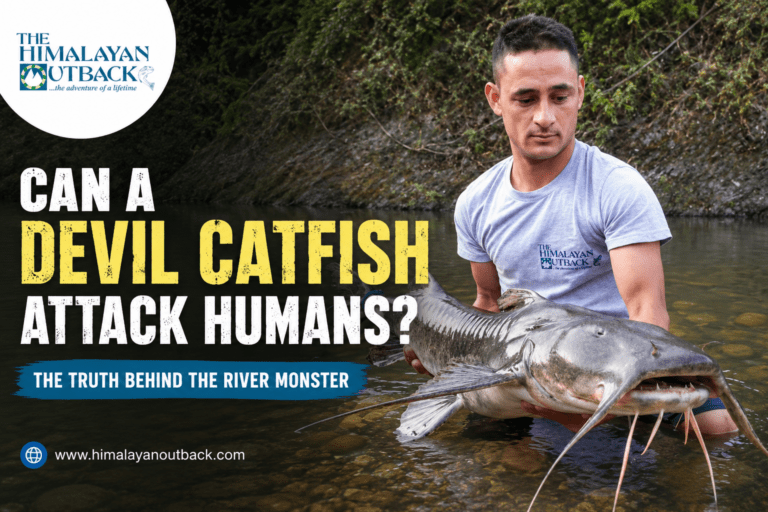
If you were to come face-to-face with this fish underwater, its appearance might startle you. The Goonch Catfish possesses a wide, flattened head with a remarkably wide mouth lined with backward-pointing teeth. These teeth function perfectly for gripping slippery prey in turbulent waters.
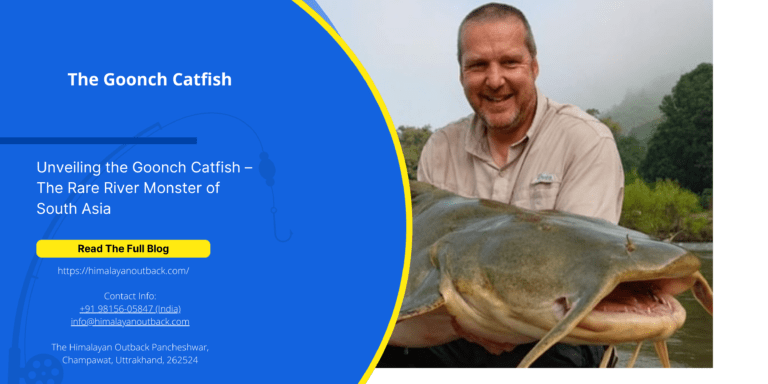
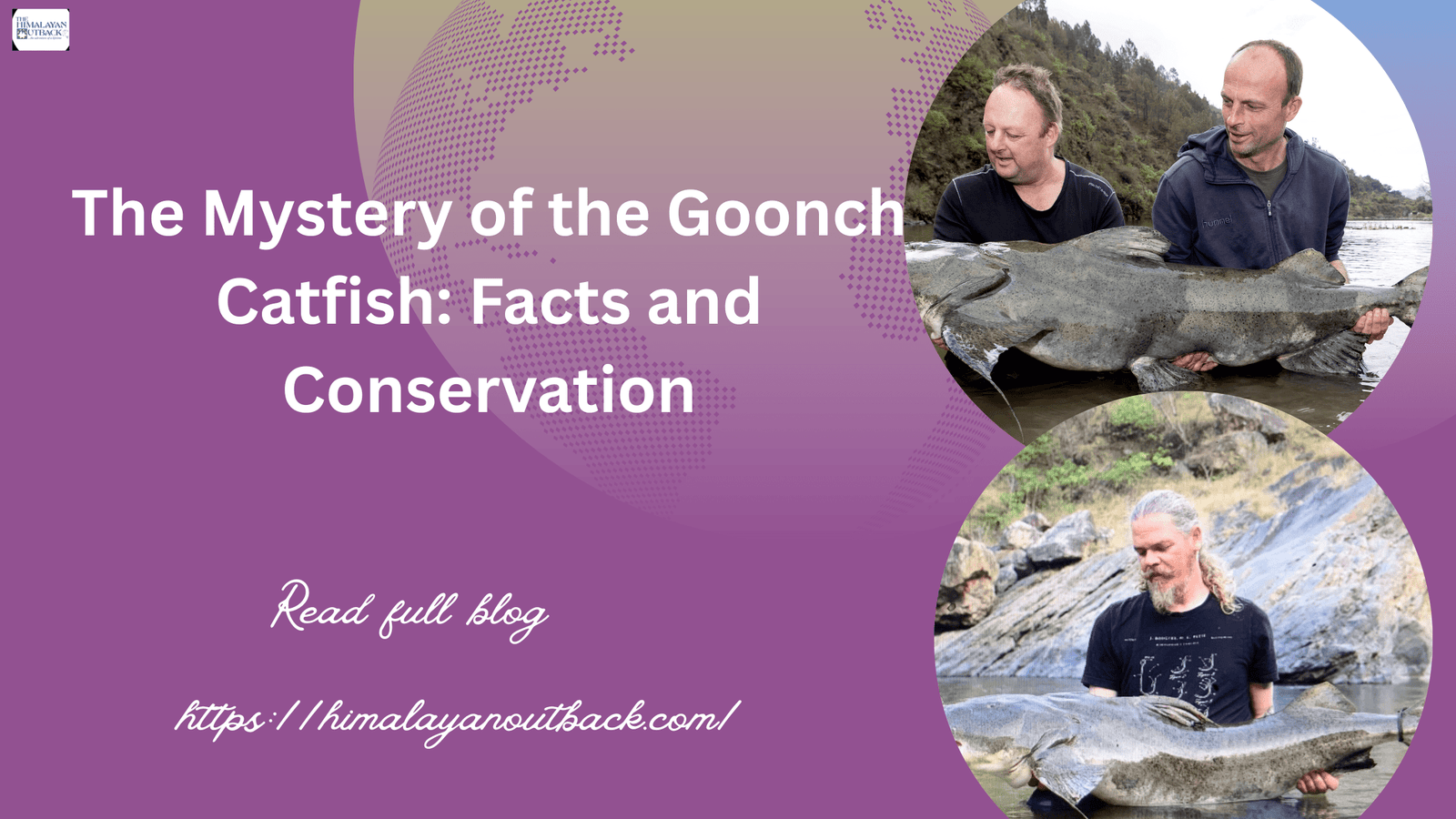
Its skin lacks scales. Instead, it features a tough, leathery texture covered in rough, bony ridges. The coloration is typically a mottled mix of olive, brown, and yellow, providing excellent camouflage against the rocky riverbeds it calls home. In terms of size, these fish are legendary. While average specimens weigh between 20 to 50 pounds, historical records suggest they can grow well over 6 feet in length and weigh more than 200 pounds.
Goonch Catfish Habitat and Distribution
Understanding the goonch catfish habitat requires looking at some of the most dynamic water systems on the planet. This species is predominantly a Himalayan rivers fish, favoring the cold, fast-flowing waters that carve their way through the rugged mountains of South Asia.
You can find the goonch fish India population scattered throughout major river basins, including the Ganges, Brahmaputra, and the Ramganga. They are also present in the rivers of Nepal, Bangladesh, and parts of Southeast Asia. These fish seek out deep pools, rocky gorges, and areas with strong undercurrents. Because they require high levels of dissolved oxygen, they rarely venture into stagnant or heavily polluted waters, making their presence a good indicator of a healthy river ecosystem.
Behavior and Diet of this Dangerous Freshwater Fish
Despite its fearsome appearance, the Goonch Catfish is primarily an opportunistic ambush predator rather than an active hunter. It spends much of its time resting on the river bottom, blending in seamlessly with the rocks. When a smaller fish, crustacean, or amphibian drifts too close, the goonch strikes with lightning speed.
Because of its massive mouth and powerful jaws, this fish can consume surprisingly large prey. While it is certainly a dangerous freshwater fish to smaller aquatic life, its threat to humans has been largely exaggerated by local legends and sensationalized television shows.
Fascinating Facts and Myths
You cannot talk about this fish without addressing the infamous “man-eater” myths. In the early 2000s, a series of mysterious drownings in the Kali River (which flows between Nepal and India) sparked rumors that a mutant, oversized Goonch Catfish had developed a taste for human flesh. The theory suggested that the fish grew to monstrous sizes by feeding on partially cremated remains released into the river.
While these stories make for excellent campfire tales, there is no scientific evidence to support the idea that the goonch hunts humans. It is entirely possible that a very large fish could pull down a struggling swimmer in a fast-flowing river, but such an event would be a case of mistaken identity or defensive behavior, not predatory hunting.
Importance in Aquatic Ecosystems
Apex predators are essential for maintaining the balance of their natural habitats, and the Goonch Catfish is no exception. By preying on weaker, sick, or overabundant fish species, they prevent any single population from dominating the river. This predation ensures a high level of aquatic biodiversity, allowing various species of flora and fauna to thrive in harmony.
When a top predator is removed from a river system, the cascading effects can be devastating. Prey populations explode, leading to the overconsumption of resources and the eventual collapse of the local food web. Therefore, protecting the goonch is about much more than saving a single species; it is about preserving the entire Himalayan river ecosystem.
Conservation Challenges and Threats
Sadly, the future of this majestic fish is highly uncertain. The International Union for Conservation of Nature (IUCN) currently lists Bagariusyarrelli as a vulnerable species, and its numbers are rapidly declining across its natural range. This endangered river species faces several human-induced threats that are pushing it closer to the brink.
Habitat destruction is perhaps the most significant challenge. The construction of massive hydroelectric dams across Himalayan rivers alters the natural flow of water, blocking migration routes and destroying the deep, fast-flowing pools these fish need to survive.
Pollution is another critical issue. Industrial runoff, agricultural chemicals, and untreated sewage are severely degrading the water quality in South Asia’s river networks. Because the goonch requires pristine, highly oxygenated water, even minor increases in pollution can make an entire stretch of river uninhabitable for them.
Finally, unregulated overfishing poses a massive threat. The fish is often targeted by local commercial fisheries for food, and smaller, immature individuals are frequently caught in indiscriminate nets before they have a chance to reproduce.
Conservation Efforts and Awareness
Thankfully, the tide is slowly turning regarding river conservation India. Various wildlife organizations, government bodies, and responsible angling groups are stepping up to protect the remaining populations of the Goonch Catfish.
Strict catch-and-release policies are becoming the gold standard for recreational anglers visiting the region. Educational campaigns are helping local fishing communities understand the long-term economic and ecological benefits of keeping these apex predators in the river. Furthermore, environmental groups are lobbying for the creation of protected aquatic sanctuaries where industrial development and commercial fishing are strictly prohibited.
Fishing in Himalayan Rivers with Himalayan OutBack
For those who wish to experience the thrill of the wild while actively supporting conservation, responsible tourism is the answer. Fishing in Himalayan rivers is an experience unlike any other, offering breathtaking scenery, challenging conditions, and the chance to encounter legendary species.
This is where Himalayan OutBack truly shines. As a trusted platform for wildlife exploration, they offer unparalleled expertise in navigating the complex Himalayan river ecosystems. Their expert guides understand the delicate balance of these waters and are deeply committed to sustainable, catch-and-release angling practices.
If you want to test your skills against a river monster while knowing your presence supports local conservation efforts, check out this comprehensive Goonch Catfish guide to plan your next adventure. Himalayan OutBack ensures that every expedition respects the wildlife, honors the local culture, and leaves the rivers as pristine as they were found.
Frequently Asked Questions (FAQs)
What is a Goonch Catfish?
The Goonch Catfish, scientifically known as Bagariusyarrelli, is a massive, prehistoric-looking freshwater fish. It is characterized by its flattened head, large mouth, and rough, scale-less skin. It is an apex predator that inhabits the fast-flowing rivers of South Asia.
Where does the Goonch Catfish live?
This species requires highly oxygenated, fast-moving water to survive. The primary goonch catfish habitat includes the major river systems of the Himalayas, such as the Ganges, Brahmaputra, and Ramganga rivers in India and Nepal.
Is the Goonch Catfish dangerous to humans?
While it is considered a dangerous freshwater fish to smaller aquatic prey, it does not hunt humans. The “man-eater” legends are largely sensationalized myths. However, due to its massive size and the strong river currents it lives in, it should be treated with extreme caution and respect.
Why is the Goonch Catfish endangered?
The species faces multiple human-induced threats. The construction of hydroelectric dams destroys their natural habitat, while water pollution reduces the oxygen levels they desperately need. Unregulated overfishing has also drastically reduced their population numbers across South Asia.
How big can a Goonch Catfish get?
While most caught today weigh between 20 to 50 pounds, historical records and local accounts indicate that this giant devil catfish can exceed 6 feet in length and weigh well over 200 pounds, making it one of the largest freshwater fish in the region.
How can I help protect this species?
You can support conservation by practicing strict catch-and-release angling, supporting organizations dedicated to river conservation in India, and choosing responsible eco-tourism operators. Educating others about the importance of aquatic biodiversity also helps raise essential awareness.
Securing the Future of the Goonch Catfish
The Goonch Catfish is a living relic of a wilder world, a testament to the raw power and beauty of the Himalayan river systems. Its terrifying appearance and thrilling legends make it a fascinating subject for wildlife lovers, but its vulnerable status demands our immediate attention and respect. We can no longer afford to view this magnificent creature merely as a trophy to be conquered.
Instead, we must recognize its critical role in maintaining the health of our planet’s aquatic ecosystems. By supporting sustainable practices and demanding cleaner rivers, we can ensure that this giant devil catfish continues to patrol the deep, swirling pools of South Asia for generations to come.
Are you ready to witness the majesty of the Himalayas firsthand? Connect with Himalayan OutBack today to explore their guided adventures. Whether you are passionate about wildlife photography, responsible angling, or simple nature exploration, their team will provide you with an unforgettable, eco-friendly journey into the heart of the wild.