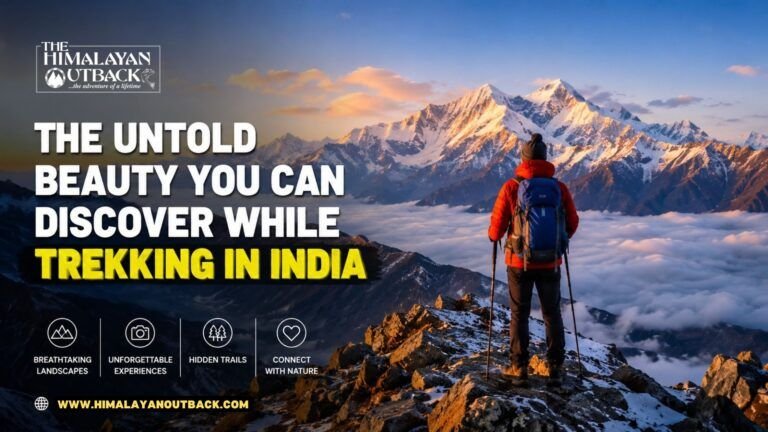
There is a specific kind of silence you only find at 14,000 feet. The wind howls across the rocky ridges, snow crunches under your boots, and the vast expanse of the mountains stretches out endlessly before you. Trekking in India offers exactly this kind of raw, unfiltered magic. The subcontinent’s diverse landscapes range from the towering, snow-capped peaks of the northern frontier to the dense, misty forests of the Western Ghats.
Every trail tells a story. Ancient trade routes connect remote mountain villages, while hidden valleys hold centuries-old monasteries. As you walk these paths, you do not just conquer altitudes. You immerse yourself in a vibrant tapestry of local traditions, authentic cuisine, and untamed wilderness.
Why Trekking in India is a Unique Experience
The appeal of lacing up your hiking boots here goes far beyond physical endurance. India provides a beautiful collision of geographical extremes and rich human history. As you ascend, the terrain transforms dramatically from alpine meadows bursting with wildflowers to stark, high-altitude deserts.
Alongside the shifting landscapes, you encounter warm, welcoming communities that have thrived in these harsh environments for generations. These cultural trekking experiences India offers are unmatched globally. You might share a cup of hot butter tea with a local family in a Spiti Valley homestay, or listen to folk tales around a campfire in the Garhwal Himalayas. The combination of spectacular scenery and deep cultural immersion transforms a simple hike into a profound journey of discovery. For an in-depth look at what awaits on these trails, you can read this comprehensive trekking in India guide.
Uncovering Popular Trekking Regions
To understand the sheer scale of adventure available, you must look at the different regions that make up the best trekking places in India.
The northern states dominate the conversation, and for good reason. Uttarakhand, often called the “Land of the Gods,” features a mix of spiritual pilgrimage routes and rugged alpine ascents. Himachal Pradesh provides a slightly different flavor, with sweeping valleys, apple orchards, and trails that wind through dense cedar forests. Further north, Ladakh presents an entirely different aesthetic. Its barren, moon-like landscapes and high-altitude passes challenge even the most experienced hikers.
Down south, the Western Ghats carve through states like Karnataka and Kerala. Here, nature trekking India takes on a tropical twist. You navigate through sprawling tea estates, dense shola forests, and mist-covered peaks that offer a brilliant alternative to the colder northern climates.
Best Trekking Trails in India
Choosing a route can feel overwhelming when faced with so many incredible options. However, a few famous treks in India stand out for their breathtaking beauty and historical significance.
The Valley of Flowers Trek (Uttarakhand)
Tucked away in the Nanda Devi Biosphere Reserve, this UNESCO World Heritage site is a kaleidoscope of color. During the monsoon season, the valley floor erupts into millions of alpine flowers. You walk alongside clear mountain streams, surrounded by towering peaks, making it an absolute paradise for photographers and nature lovers.
Goechala Trek (Sikkim)
If you want to get up close and personal with the third-highest mountain in the world, Goechala is the trail for you. The route takes you through dense rhododendron forests and high-altitude meadows before bringing you face-to-face with the eastern wall of Mount Kanchenjunga. The sunrise view from the viewpoint is a moment you will carry with you forever.
Kuari Pass Trek (Uttarakhand)
Often referred to as the Lord Curzon Trail, this route is famous for its unrivaled views of India’s highest peaks, including Nanda Devi, Kamet, and Dronagiri. The trail meanders through ancient oak and rhododendron forests, offering a perfect blend of challenging ascents and rewarding panoramas.
Navigating these iconic routes safely requires thorough planning and local expertise. The team at Himalayan OutBack specializes in guiding adventurers through these demanding landscapes. Their deep understanding of the terrain ensures you can focus entirely on the beauty of the journey without worrying about the logistics.
Immersive Cultural Experiences Along the Trails
A mountain adventure is incomplete without interacting with the people who call these remote regions home. Trekking destinations in India are deeply intertwined with local culture.
As you pass through small Himalayan hamlets, you witness a way of life that has remained unchanged for decades. Architecture adapts to the harsh winters with intricately carved wooden homes and slate roofs. Agriculture relies on ancient terracing techniques, and religion permeates every aspect of daily life, evidenced by the colorful prayer flags fluttering against the blue sky.
Food also plays a crucial role in your journey. After a long day of walking, sitting down to a hot, home-cooked meal of dal bhat (lentils and rice) or freshly steamed momos provides immense comfort. These interactions foster a deep appreciation for the resilience and hospitality of the mountain communities.
Finding Your Path: Beginners vs. Experienced Trekkers
The beauty of Indian mountain trekking is its accessibility. You do not need to be a seasoned mountaineer to enjoy the heights.
If you are just starting, there are plenty of beginner trekking routes India has to offer. Trails like DayaraBugyal or Kedarkantha provide gentle gradients, well-defined paths, and breathtaking summit views without the extreme altitude risks. These routes allow novices to test their endurance, learn how to pack efficiently, and experience camping under the stars.
Conversely, veterans seeking a formidable challenge will find plenty to test their limits. Advanced routes like the Stok Kangri trek in Ladakh or the Pin Parvati Pass require technical skills, glacial navigation, and serious acclimatization. They push your physical and mental boundaries, rewarding you with the rare thrill of conquering some of the toughest terrain on earth.
Essential Trekking Tips for Beginners and Safety Guidelines
Preparation dictates the success of any outdoor expedition. Keep these crucial trekking tips for beginners in mind before you pack your bags:
- Prioritize Fitness: Start a cardiovascular and strength training routine at least two months before your trip. Strong legs and healthy lungs make the ascents much more enjoyable.
- Pack Smart: Layering is key in the mountains, as temperatures fluctuate wildly. Pack moisture-wicking base layers, insulating mid-layers, and a waterproof shell. Keep your backpack as light as possible.
- Acclimatize Properly: Altitude sickness can affect anyone, regardless of fitness level. Ascend slowly, drink plenty of water, and listen to your body.
- Leave No Trace: The mountains are fragile ecosystems. Carry all your trash back with you, stick to the marked trails, and respect the local environment.
Partnering with an experienced outfitter like Himalayan OutBack significantly enhances your safety. Their expert guides monitor your health, manage the pacing, and handle emergency protocols, allowing you to hike with total peace of mind.
The Best Time for Trekking Adventures India
Timing your trip correctly makes all the difference. The Himalayan regions generally have two main trekking windows. The pre-monsoon season, from May to June, offers clear skies and pleasant daytime temperatures. Snow remains at higher altitudes, adding a dramatic contrast to the green valleys below.
The post-monsoon season, spanning September to November, is widely considered the optimal time for Himalayan treks India. The heavy rains wash the dust from the air, resulting in crystal-clear views of the distant peaks. The autumn foliage also turns the forests into brilliant shades of gold and amber.
Frequently Asked Questions (FAQs)
Is trekking in India safe for solo travelers?
Yes, it is generally safe, provided you choose popular trails and exercise standard precautions. However, hiring a local guide or joining a reputable organization like Himalayan OutBack is highly recommended. A guided group ensures safety, logistical support, and help in case of medical emergencies.
Do I need a special permit for Himalayan treks?
Many routes require specific permits, especially those near international borders or within national parks and wildlife sanctuaries. Your trekking agency usually handles these administrative requirements, but independent hikers must obtain them from local forest department offices before starting their journey.
How fit do I need to be for Indian mountain trekking?
Fitness requirements vary by route. Beginner trails require a moderate level of cardiovascular endurance and the ability to walk 5-7 kilometers a day. High-altitude, advanced routes demand rigorous physical preparation, including strength training, running, and previous high-altitude hiking experience.
What is the best season for trekking in India?
The optimal windows for Himalayan routes are the pre-monsoon months (May to June) and the post-monsoon autumn months (September to November). The Western Ghats, however, are best explored during or immediately after the monsoon season (July to February) when the landscapes are lush and green.
Can I rent gear before starting my trek?
Yes, most major base camps and popular starting towns like Manali, Leh, and Dehradun have shops where you can rent essential gear. You can easily find items like sleeping bags, trekking poles, heavy jackets, and tents, which saves you from buying expensive equipment for a single trip.
Are mobile networks available during the trek?
Connectivity is highly limited once you leave the base camps. BSNL and Jio networks occasionally work at lower altitudes or specific viewpoints, but you should prepare to be completely disconnected for the majority of your journey.
Start Your Journey with Himalayan OutBack
The mountains possess a unique ability to strip away the noise of daily life, leaving you with a profound sense of clarity and accomplishment. Trekking in India is not merely a vacation; it is an expedition that challenges your body, enriches your mind, and connects you deeply with the natural world and the resilient cultures that inhabit it.
Whether you want to witness the sun rising over Kanchenjunga or walk through the ancient forests of Uttarakhand, your adventure begins with taking that first step. Himalayan OutBack is dedicated to crafting authentic, safe, and unforgettable outdoor experiences. With their expert guidance, premium logistical support, and commitment to sustainable tourism, you can confidently explore the highest peaks and deepest valleys.
Stop dreaming about the mountains and start planning your ascent. Contact Himalayan OutBack today to discover the perfect trail for your next great adventure.