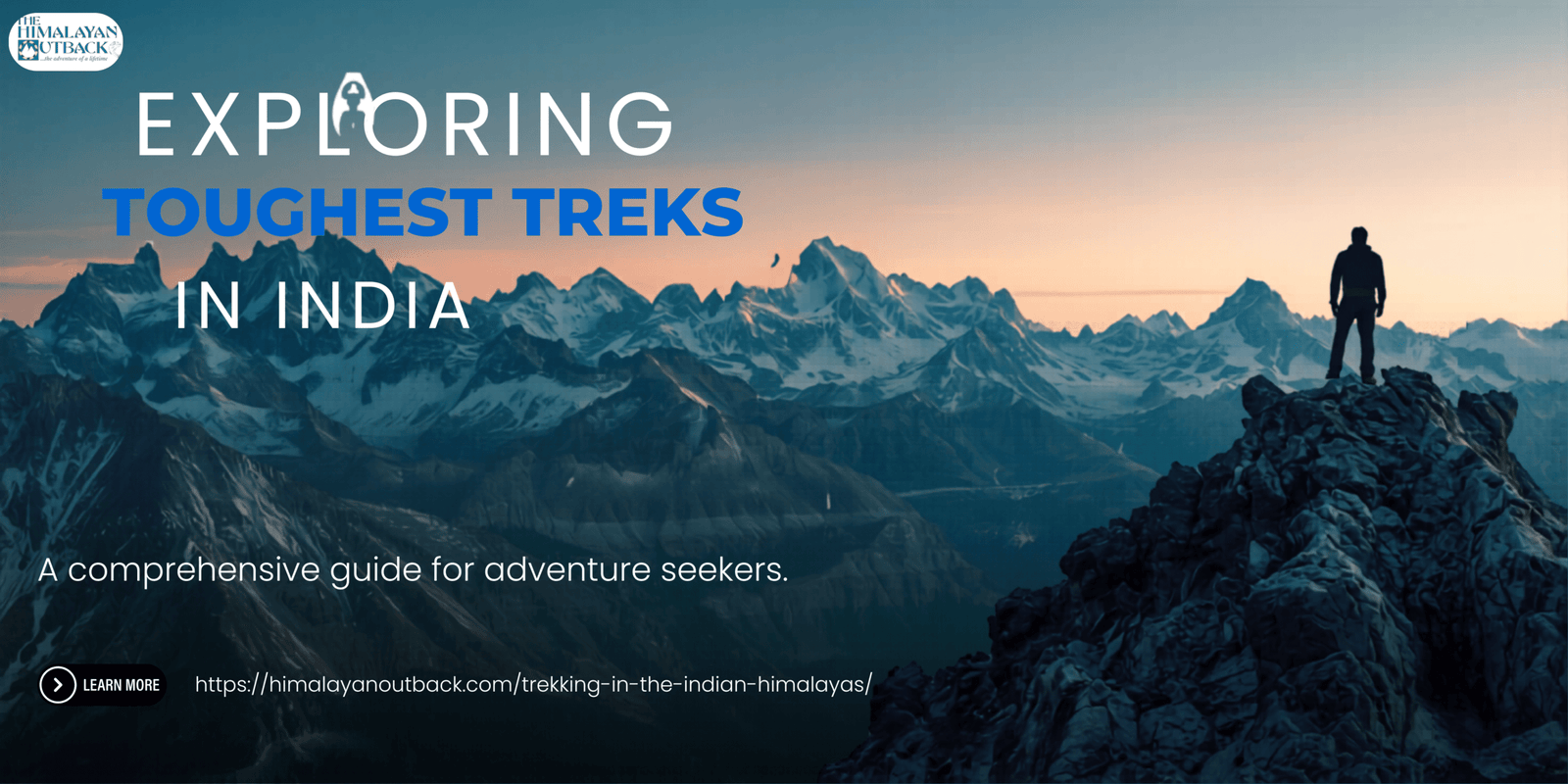
There is a unique kind of thrill that comes from pushing your physical boundaries and stepping into the unknown. For those who crave raw landscapes and demanding terrains, ordinary vacations simply will not suffice. You need an experience that tests your endurance and rewards you with views few people ever get to see. Trekking in India offers exactly that. With towering peaks, deep gorges, and unpredictable weather, the Indian subcontinent is home to a globally recognized adventure scene that attracts thrill-seekers from every corner of the planet.
If you are an experienced hiker looking for your next big challenge, you will find some of the most difficult routes hidden within these majestic mountain ranges. Conquering a tough trail requires more than just strong legs. It demands mental resilience, proper acclimatization, and expert knowledge of the terrain. This comprehensive guide will help you understand the landscape of extreme trekking India has to offer, giving you the insights needed to plan a safe and unforgettable expedition.
Why India is a Top Destination for Extreme Trekking
India’s geographical diversity is truly staggering. The northern frontier is guarded by the mighty Himalayas, offering an endless playground for mountaineers and hikers. The sheer scale of these mountains creates an environment where alpine trekking India becomes a test of human willpower. You will find everything from dense forests and lush meadows to barren high-altitude deserts and frozen rivers.
This dramatic variation in landscape means that adventure trekking India provides a unique challenge at every turn. You are not just walking up a hill. You are navigating shifting glaciers, crossing icy streams, and adapting to thinning air. It is this combination of cultural richness, remote wilderness, and rugged topography that makes the country a premier destination for those seeking the ultimate physical test.
What Makes a Trek “Tough”? Understanding Trekking Difficulty Levels
Before packing your bags, you need to understand what separates a moderate hike from a grueling expedition. Trekking difficulty levels are determined by several critical factors:
- Altitude: As you climb higher, the oxygen levels drop. High altitude treks India typically push beyond 14,000 feet, increasing the risk of Acute Mountain Sickness (AMS).
- Terrain: Tough routes rarely feature paved paths. You will face steep ascents, loose scree, narrow ridges, and knee-deep snow.
- Weather: The climate in the mountains is notoriously unpredictable. A sunny morning can quickly turn into a blinding blizzard, making navigation incredibly hard.
- Duration: Enduring physical exertion for a single day is one thing. Walking for eight to twelve days straight, while carrying a heavy backpack, requires exceptional stamina.
Top Toughest Treks in India
If you are hunting for the best treks in India that will push your limits, add these legendary routes to your bucket list.
Chadar Trek
Often cited as the absolute toughest trek in india, the Chadar Trek is a winter expedition like no other. Located in the Zanskar region of Ladakh, this trail requires you to walk over the frozen Zanskar River. The temperatures regularly plummet to -30°C (-22°F). The ice can be fragile, and the biting wind is relentless. Surviving this frozen wilderness is a true badge of honor for any adventurer.
Roopkund Trek
Famous for the mysterious skeletal remains found at its glacial lake, the Roopkund Trek is a staple of Himalayan trekking India. Reaching an altitude of over 16,000 feet, the climb is steep and exhausting. The weather near the summit is highly erratic, and trekkers must navigate through dense forests, expansive meadows, and finally, a treacherous snowy ascent to reach the lake.
Markha Valley Trek
Situated in the arid landscape of Ladakh, the Markha Valley Trek is one of the most difficult treks in India due to its extreme altitude and dry climate. Trekkers must cross multiple high passes, including Kongmaru La at 17,060 feet. The trail involves several waist-deep river crossings and long days of walking under a harsh sun, demanding excellent physical conditioning.
Kashmir Great Lakes Trek
While the scenery is undeniably breathtaking, do not let the beauty fool you. The Kashmir Great Lakes Trek is incredibly demanding. You will cover roughly 70 kilometers over rocky terrain, ascending and descending steep passes daily. The constant change in elevation and the rugged trails require strong knees and unwavering determination.
Common Challenges Faced During High Altitude Treks India
Attempting these routes is not for the faint of heart. When you venture into high-altitude zones, your body reacts to the decreased oxygen. You might experience headaches, nausea, and extreme fatigue. Ignoring these signs can lead to severe altitude sickness.
Beyond the physical toll, the isolation can be mentally taxing. You are often days away from the nearest road or medical facility. Unpredictable storms can force you to stay inside a cold tent for days, testing your patience and mental fortitude. Proper preparation is the only way to overcome these hurdles safely.
Essential Trekking Preparation Tips
Success on the mountain starts months before you reach the base camp. Here are vital trekking preparation tips to get you ready:
- Cardiovascular Training: Build your lung capacity through running, cycling, or swimming. Aim for at least four to five days of cardio a week.
- Strength Building: Your legs and core will bear the brunt of the work. Incorporate squats, lunges, and deadlifts into your routine.
- Endurance Walks: Train with a weighted backpack. Start with lighter loads and gradually increase the weight to simulate the conditions of your expedition.
- Mental Conditioning: Accept that you will be uncomfortable. Practice pushing through fatigue in a safe environment to build the resilience needed for the mountains.
The Best Time to Go Trekking in India
Timing is everything when planning an expedition. The window for extreme treks is often narrow due to harsh winters and heavy monsoons.
For high-altitude routes in Ladakh and Himachal Pradesh, the summer months of July to September offer the clearest paths. However, if you are looking to conquer the Chadar Trek, you must go in the dead of winter, usually January or February, when the river is fully frozen. Always research the specific seasonal requirements for your chosen route to avoid getting caught in dangerous weather.
Critical Safety Tips for Trekkers
Your safety should always be the top priority. Follow these guidelines to ensure a secure journey:
- Acclimatize Properly: Never rush your ascent. Take rest days to allow your body to adjust to the altitude.
- Stay Hydrated: Drink plenty of water. Dehydration masks itself easily in cold weather but significantly increases the risk of altitude sickness.
- Pack the Right Gear: Invest in high-quality, layered clothing. Ensure your boots are broken in, and never forget a comprehensive first-aid kit.
- Listen to Your Body: If you feel unwell, do not push forward. Descending is the only cure for severe altitude sickness.
The Benefits of Choosing Guided Trekking Tours India
Navigating remote and dangerous terrain alone is a massive risk. This is where guided trekking tours India become invaluable. Professional operators provide necessary logistics, secure permits, and carry essential emergency equipment like oxygen cylinders.
If you want a seamless and secure experience, Trekking in India with a trusted partner is the smartest choice. The Himalayan Outback stands out as a premier adventure company dedicated to safe and thrilling expeditions. Their team of experienced guides intimately knows the treacherous routes and local weather patterns. By choosing The Himalayan Outback, you ensure that every logistical detail is handled, allowing you to focus entirely on the climb and the stunning scenery.
Frequently Asked Questions (FAQs)
What is the toughest trek in India?
The Chadar Trek in Ladakh is widely considered the most difficult due to sub-zero temperatures and the physical demand of walking on a frozen river. Other highly challenging routes include the Stok Kangri expedition and the Pin Parvati Pass.
How should I prepare for Trekking in India at high altitudes?
Start physical training at least three months in advance. Focus on cardiovascular endurance, leg strength, and core stability. Practice hiking with a loaded backpack to simulate trail conditions and ensure your body is ready for the exertion.
Is Trekking in India safe for solo travelers?
While some moderate trails are fine for solo hikers, extreme routes require a support system. Unpredictable weather and the risk of altitude sickness make it highly recommended to join guided tours with experienced professionals.
When is the best time for high altitude treks India?
The best time depends largely on the region. For most Himalayan routes, the pre-monsoon (May to June) and post-monsoon (September to October) seasons provide the most stable weather and clear views.
What gear is essential for difficult treks?
You must pack layered thermal clothing, a high-quality down jacket, waterproof trekking boots, a four-season sleeping bag, trekking poles, and a specialized first-aid kit. Good UV protection sunglasses are also mandatory to prevent snow blindness.
Do I need prior experience for Trekking in India?
For moderate trails, basic fitness is enough. However, for extreme expeditions like Roopkund or Markha Valley, prior high-altitude hiking experience is absolutely necessary to understand how your body reacts to thin air.
Conclusion: Ready for the Ultimate Adventure?
Tackling the most formidable peaks and valleys requires courage, preparation, and profound respect for nature. Trekking in India is not just a physical challenge; it is a transformative journey that leaves a lasting mark on your soul. From the frozen rivers of Zanskar to the rugged passes of Kashmir, these trails promise an adventure that you will remember for the rest of your life.
You do not have to face the mountains alone. The Himalayan Outback offers expertly crafted itineraries, prioritizing your safety while delivering an authentic wilderness experience. With their knowledgeable guides and unwavering safety standards, you can conquer these imposing landscapes with confidence. Contact The Himalayan Outback today to start planning your next great expedition, and discover what you are truly capable of achieving.