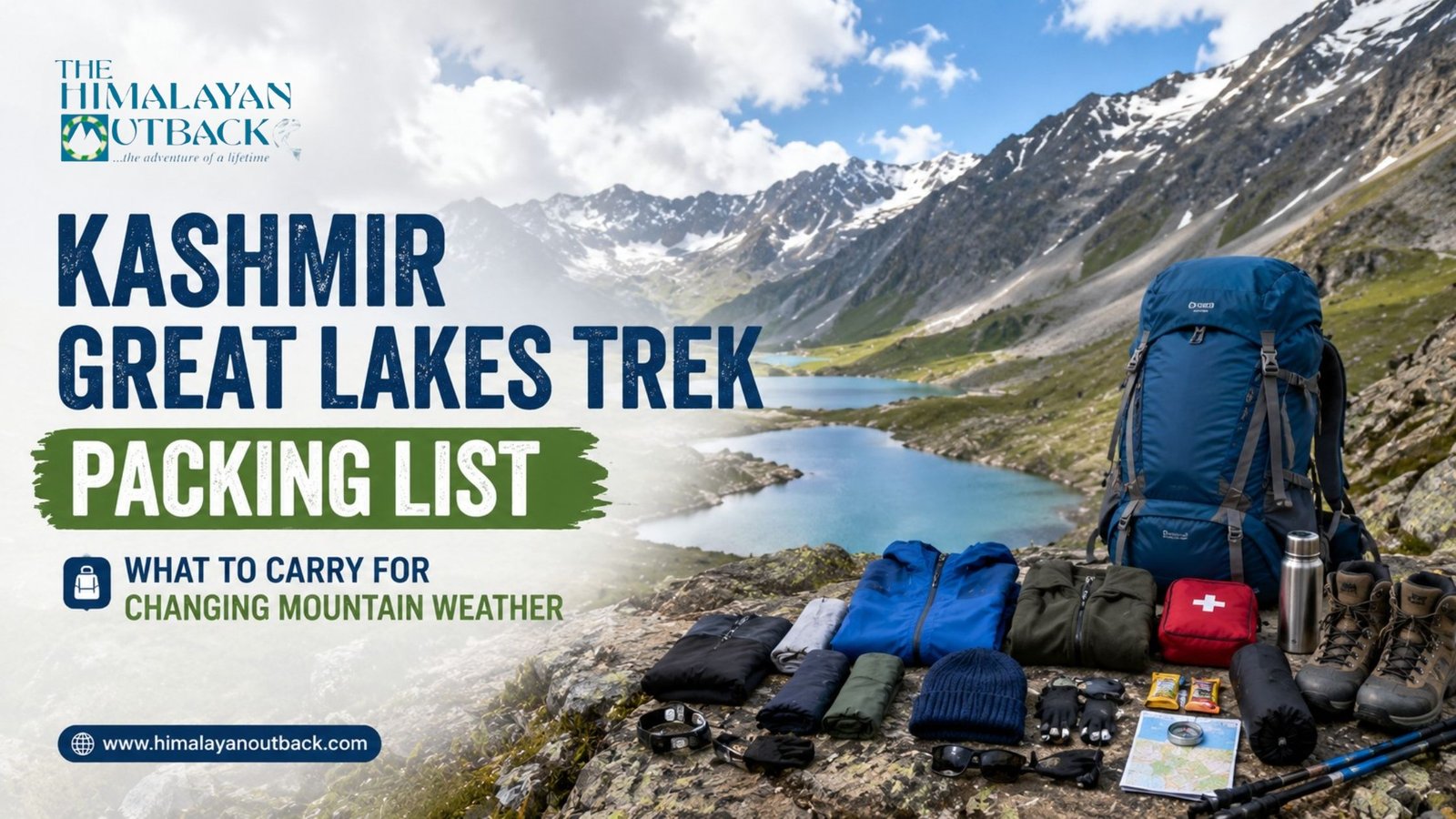
Planning one of the Kashmir Great Lakes Treks means preparing for one of the most visually stunning yet weather-unpredictable routes in the Himalayas. Within a single day, you could walk through warm sunshine, face sudden rain, and shiver through a cold, windy evening at camp. That is why packing correctly is not just about comfort — it directly affects your safety and overall trekking experience.
This guide walks you through a complete Kashmir Great Lakes Trek packing list, explains the right clothing layers for shifting mountain weather, and shares practical tips to help first-time trekkers and seasoned hikers alike prepare with confidence. Whether you are tackling your first high-altitude trek or your tenth, having the right gear makes all the difference between an enjoyable journey and an uncomfortable one.
By the end of this article, you will know exactly what to pack, why each item matters, and how to organise your gear for the trail ahead.
Why Weather-Ready Packing Matters
The Kashmir Great Lakes Trek passes through diverse terrain — alpine meadows, rocky ridges, and high mountain passes — each with its own microclimate. Mornings often start crisp and cold, while afternoons can turn sunny and warm. As evening approaches, temperatures drop quickly, and winds pick up near the lakes and passes.
Rain is also common, particularly in the afternoons, and can arrive with little warning. As a result, trekkers need clothing and gear that can adapt quickly to these shifts. Packing for just one type of weather leaves you exposed and underprepared.
This is precisely why experienced trekking operators emphasise layering, waterproofing, and flexibility when it comes to gear. A well-thought-out approach to Kashmir Great Lakes Trek preparation means you are ready for sunshine, wind, and rain — sometimes all within the same afternoon.
Complete Kashmir Great Lakes Trek Packing List
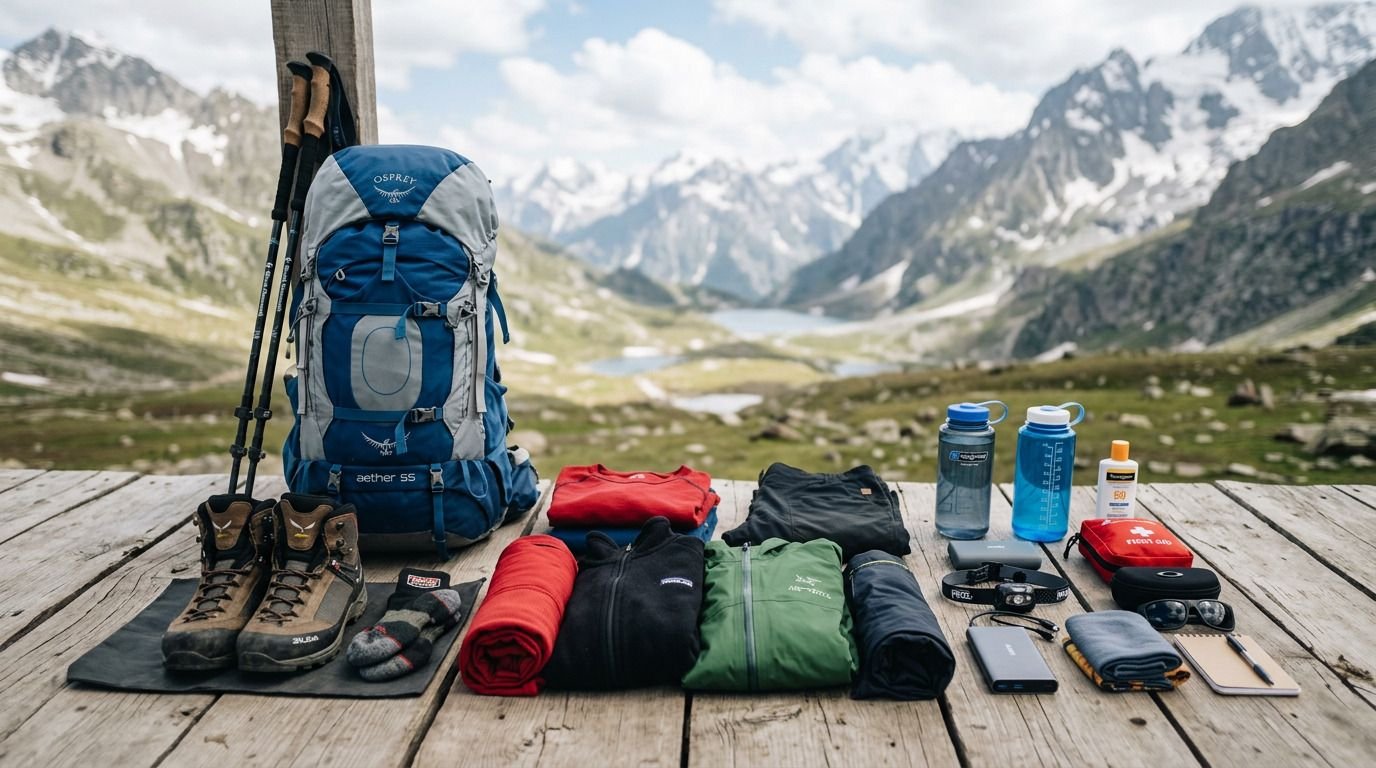
A solid Kashmir Great Lakes Trek packing list covers more than just clothes. Below are the essential categories to think through before you start packing your bag.
Layered Clothing and Thermal Wear
Pack thermal base layers, a fleece or insulated mid-layer, and a few quick-dry t-shirts. Thermals are especially important for cold mornings and evenings at higher altitudes, where temperatures can drop sharply after sunset.
Waterproof and Wind-Resistant Outerwear
A reliable rain jacket and windproof shell are non-negotiable. Given how quickly weather shifts on this route, rain protection for high-altitude trekking should always be within easy reach, not buried at the bottom of your bag.
Trekking Trousers and Comfortable Base Layers
Choose quick-dry, stretchable trekking trousers rather than jeans or cotton pants, which take long to dry and feel heavy when wet. Breathable base layers underneath help regulate body temperature during long walking days.
Trekking Shoes, Socks, and Camp Footwear
Investing in the best shoes for Himalayan trekking is one of the most important decisions you will make. Look for ankle-support trekking shoes with a sturdy, grippy sole, broken in well before the trip. Pack moisture-wicking trekking socks along with a lightweight pair of sandals or camp shoes for evenings.
Backpack, Rain Cover, and Packing Organisers
A 50–60 litre backpack with a sturdy hip belt is generally recommended for multi-day treks, along with a separate daypack if you are using porter or mule support. Always carry a rain cover, and use packing cubes or dry bags to keep clothing organised and protected from moisture.
Sleeping Gear, Where Required by the Trek Arrangements
Depending on your trekking operator’s arrangements, you may need to carry a sleeping bag rated for high-altitude temperatures. Check with your operator in advance, as some packages include tents and sleeping equipment while others require trekkers to bring their own.
Water Bottles or Hydration Systems
Carry at least two reusable water bottles or a hydration bladder. Staying hydrated at altitude supports better acclimatisation and helps reduce fatigue during long trekking days.
Sun Protection, Sunglasses, and Sunscreen
Himalayan sun exposure is stronger than it seems, especially near snow and water. Pack UV-protection sunglasses, a wide-brimmed hat or cap, and high-SPF sunscreen to protect against sunburn at altitude.
Personal Hygiene and Basic Toiletries
Keep this section minimal: biodegradable soap, a quick-dry towel, wet wipes, hand sanitiser, and toilet paper. Lightweight, eco-friendly products are preferable given the trek’s remote, high-altitude setting.
First-Aid Supplies and Personal Medicines
Carry a basic first-aid kit with blister plasters, antiseptic cream, pain relief tablets, and any prescribed personal medication. If you take regular medication, pack enough for the full duration of the trek plus a few extra days.
Headlamp, Power Bank, and Essential Electronics
A headlamp with spare batteries is essential for early starts and evening camp activities. A power bank helps keep your phone or camera charged, since charging points are unavailable along most of the route.
Identity Documents, Permits, and Cash
Keep photocopies and digital copies of your ID, along with any permits required for the Kashmir Great Lakes Trek. Carry sufficient cash, as ATMs are not accessible once the trek begins.
Snacks and Personal Essentials
Pack energy bars, dry fruits, electrolyte powders, and a few personal comfort snacks. These come in handy during long stretches between meals or on particularly demanding trekking days.
What to Wear for Changing Mountain Weather
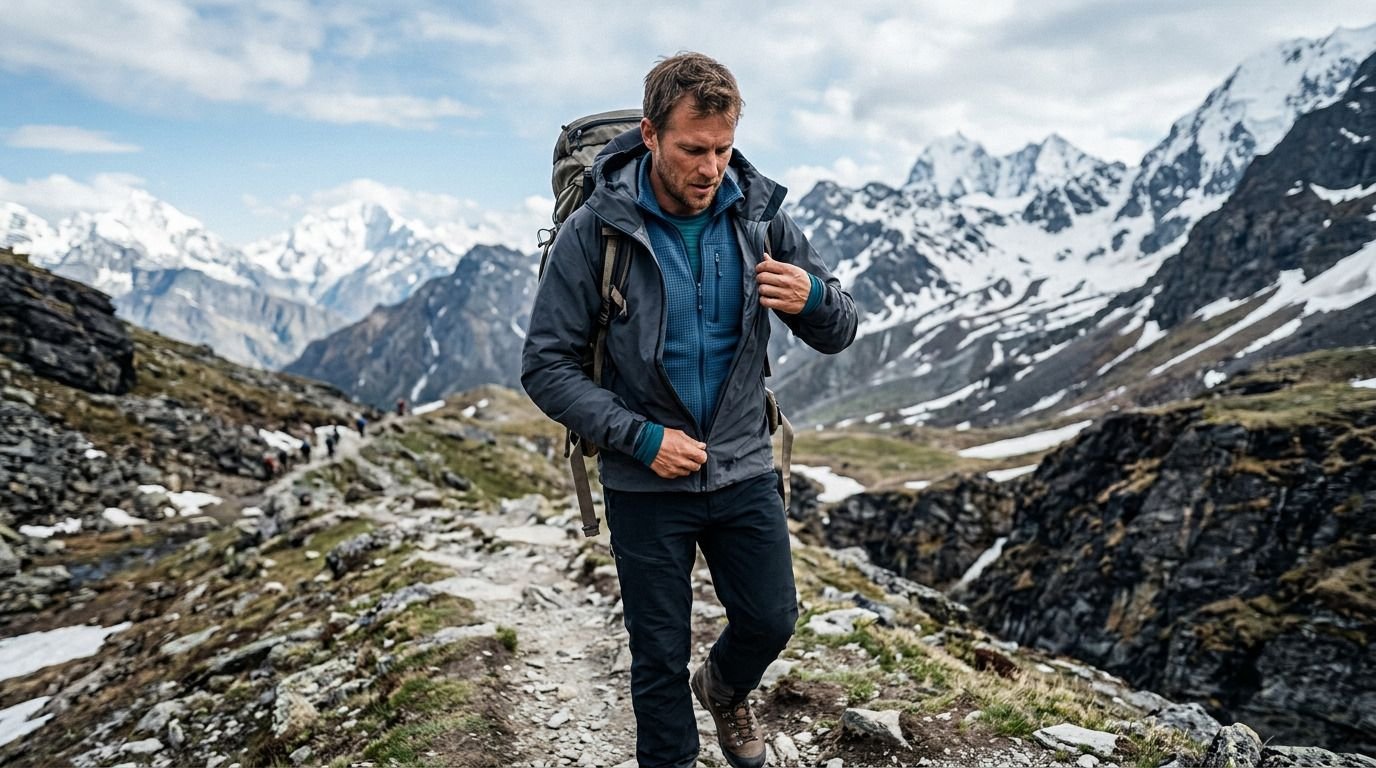
Successful trekking clothes for changing mountain weather rely on a simple three-layer system: base, insulation, and outer shell.
Base layer: A moisture-wicking thermal top and bottom form your foundation layer, helping to manage sweat and keep your skin dry during exertion.
Insulating layer: A fleece jacket or lightweight down jacket traps body heat, particularly important during early mornings and at campsites once the sun sets.
Outer shell: A waterproof, windproof jacket protects against rain and strong gusts near the lakes and mountain passes.
As the day progresses, you can adjust layers accordingly. On sunny afternoons, you might trek in just a base layer and light trousers. When wind picks up along ridgelines, add your shell jacket. During cold mornings, all three layers work together to keep you warm until the sun rises higher.
Kashmir Great Lakes Trek Packing Table
Use this quick-reference table to review your essentials before departure.
Item Category |
Essential Items |
Why You Need Them |
Packing Tip |
| Clothing | Thermal base layers, fleece, trekking trousers, quick-dry t-shirts | Regulates body temperature across changing conditions |
Roll clothes to save space and reduce creasing |
|
Footwear |
Trekking shoes, wool socks, camp sandals | Provides grip, support, and comfort after long walks | Break in shoes weeks before the trek |
| Rain Protection | Rain jacket, waterproof pants, backpack rain cover | Shields against sudden rain at high altitude |
Keep rain gear at the top of your bag for quick access |
|
Hydration |
Water bottles or hydration bladder, electrolyte sachets | Supports acclimatisation and energy levels | Refill water at designated safe points along the trail |
|
Safety |
First-aid kit, personal medication, sunscreen | Addresses minor injuries and sun exposure |
Store medicines in a waterproof pouch |
| Electronics | Headlamp, spare batteries, power bank | Essential for early starts and evening use |
Keep electronics in a dry bag inside your backpack |
Packing Tips for First-Time Trekkers
Overpacking is one of the most common mistakes among new trekkers. Instead of adding “just in case” items, stick closely to your checklist and pack versatile clothing that can be layered or reused across multiple days.
Distribute weight evenly in your backpack, placing heavier items closer to your back and lighter ones near the top. This improves balance and reduces strain during long walking stretches.
Protect important items such as documents, electronics, and spare clothing using dry bags or sealed plastic pouches. Moisture can seep into bags even with a rain cover, so an extra layer of protection goes a long way.
Finally, keep frequently used items — snacks, sunscreen, a headlamp, and your rain jacket — in an easily accessible outer pocket. Digging through a full backpack mid-trek wastes time and energy.
Common Packing Mistakes to Avoid
Many first-time trekkers choose unsuitable footwear, such as running shoes or boots without ankle support, which increases the risk of slips on uneven terrain. Investing in proper trekking shoes well before the trip prevents this issue entirely.
Ignoring rain protection is another frequent error. Given how often weather shifts along this route, a rain jacket and pack cover should never be left behind, even if the forecast initially looks clear.
Packing too many clothes adds unnecessary weight without adding real value. Focus on functional layers instead of multiple spare outfits. Similarly, forgetting sun protection is a common oversight — many trekkers underestimate how intense UV exposure becomes at higher altitudes.
Lastly, failing to check your trekking operator’s equipment list can lead to either overpacking or missing essential gear. Always confirm what is provided by the operator, such as tents or sleeping bags, before finalising your own list.
Safety and Responsible Trekking
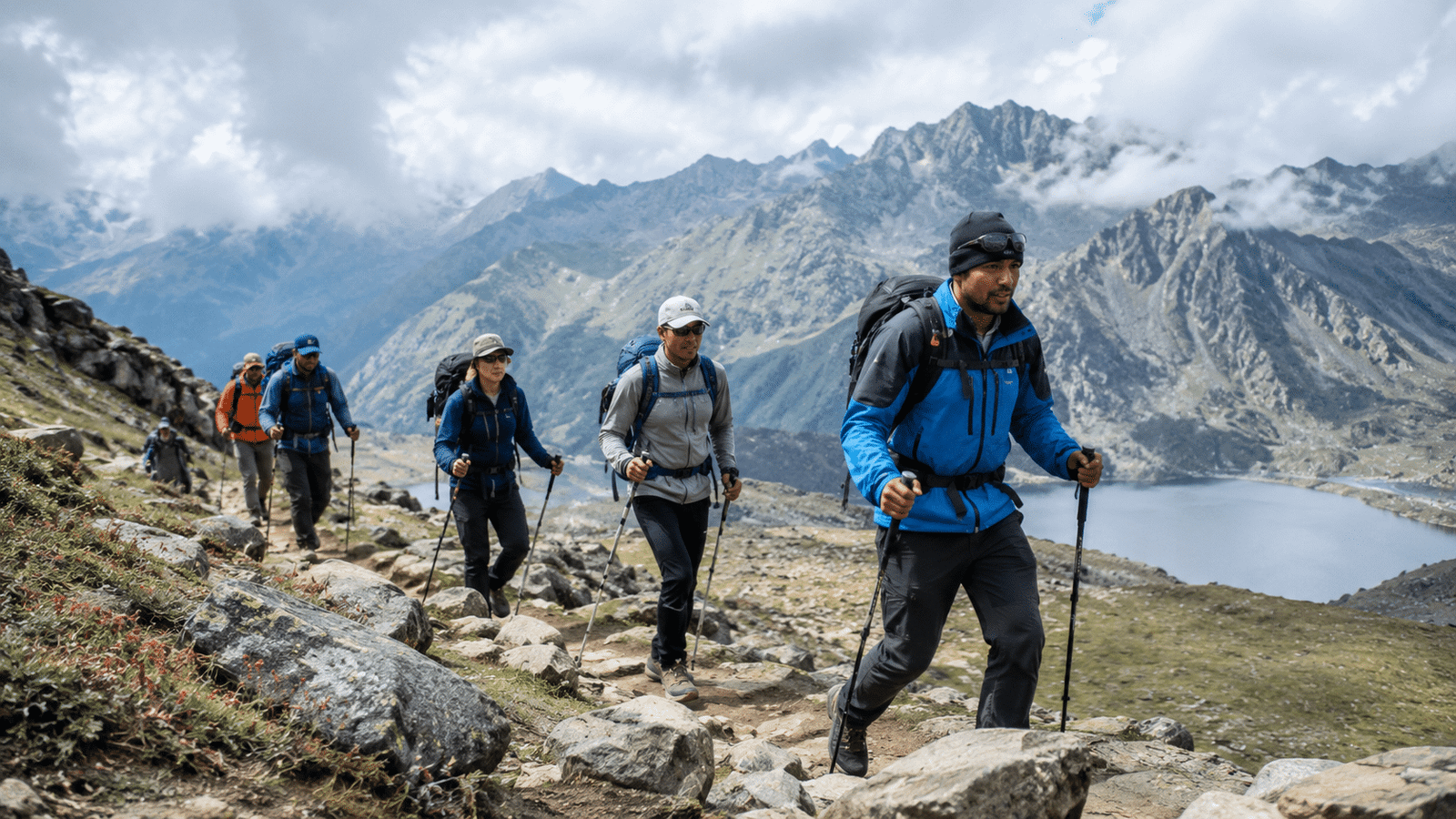
Following your trek leader’s guidance is one of the most important things you can do on the Kashmir Great Lakes Trek. Experienced guides understand local terrain and changing weather patterns better than any packing list can predict.
Check current trail and weather conditions before departure, and always carry any prescribed personal medication with you rather than packing it in checked baggage. In addition, respect local rules, campsite guidelines, and the natural environment by avoiding single-use plastics and carrying back any waste you generate.
This guide offers general packing and preparation advice; it does not replace professional medical guidance. Consult your doctor regarding fitness for high-altitude trekking before booking your trip.
Explore the Kashmir Great Lakes Trek with The Himalayan Outback
Once your packing list is sorted, the next step is reviewing your trek itinerary and preparation requirements in detail. The Himalayan Outback offers trekkers detailed route information to help you plan with confidence.
Visit the Kashmir Great Lakes Trek page to explore the itinerary, trip inclusions, and preparation guidelines before you finalise your booking. Reviewing this information alongside your packing list ensures you arrive fully prepared for the trail ahead.
Frequently Asked Questions
What are the essential items for the Kashmir Great Lakes Trek?
Essential items include layered clothing, a waterproof jacket, sturdy trekking shoes, a reliable backpack with rain cover, a hydration system, sun protection, a first-aid kit, and basic electronics like a headlamp and power bank.
What clothes should I pack for changing mountain weather?
Pack thermal base layers, an insulating fleece or down jacket, and a waterproof outer shell. This three-layer system allows you to adjust quickly to sunny afternoons, cold mornings, and sudden rain.
Do I need waterproof shoes and a rain jacket for the trek?
Yes. Rain protection for high-altitude trekking is essential on this route, as weather can change rapidly. A waterproof rain jacket and water-resistant trekking shoes help keep you dry and comfortable throughout the journey.
How can I prepare my packing list before booking the Kashmir Great Lakes Trek?
Start by reviewing your trekking operator’s equipment list to understand what is provided versus what you need to carry. Then, build your personal checklist around clothing layers, footwear, safety essentials, and electronics based on the guidance in this article.
Final Thoughts: Pack Smart, Trek Confidently
Successful preparation for the Kashmir Great Lakes Trek comes down to smart layering, reliable rain protection, and a well-organised backpack. By following this packing list and understanding how mountain weather shifts throughout the day, you set yourself up for a safer and more enjoyable trekking experience.
If you are ready to take the next step, reach out to The Himalayan Outback for a consultation on the Kashmir Great Lakes Trek. Our team can help answer your questions about preparation, itinerary details, and what to expect on the trail — so you can trek with confidence from the very first step.